
𝐇𝐞𝐚𝐝𝐥𝐢𝐧𝐞: 𝐓𝐡𝐞 “𝐒𝐡𝐚𝐩𝐞” 𝐨𝐟 𝐈𝐧𝐧𝐨𝐯𝐚𝐭𝐢𝐨𝐧: 𝐖𝐡𝐲 𝐌𝐨𝐫𝐩𝐡𝐨𝐥𝐨𝐠𝐢𝐜𝐚𝐥 𝐌𝐚𝐫𝐤𝐞𝐫𝐬 𝐚𝐫𝐞 𝐭𝐡𝐞 𝐅𝐮𝐭𝐮𝐫𝐞 𝐨𝐟 𝐑𝐖𝐄 𝐢𝐧 𝐂𝐍𝐒
In the high-stakes world of CNS drug discovery and Real-World Evidence (RWE), we’ve leaned on behavioral scales for too long. But in 2026, the data is clear: Morphological Biomarkers are the new gold standard. Recent advancements in Geometric Morphometrics prove that the physical geometry of the brain—beyond mere volume—predicts patient outcomes with far greater accuracy than a subjective interview ever could. This is the “Audit-Ready” evidence that payers and regulators now demand.
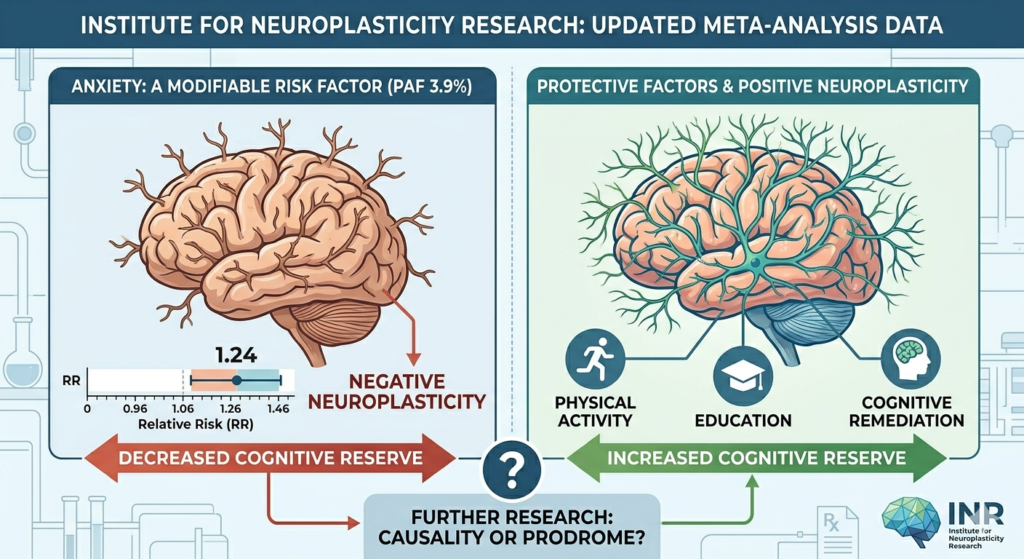
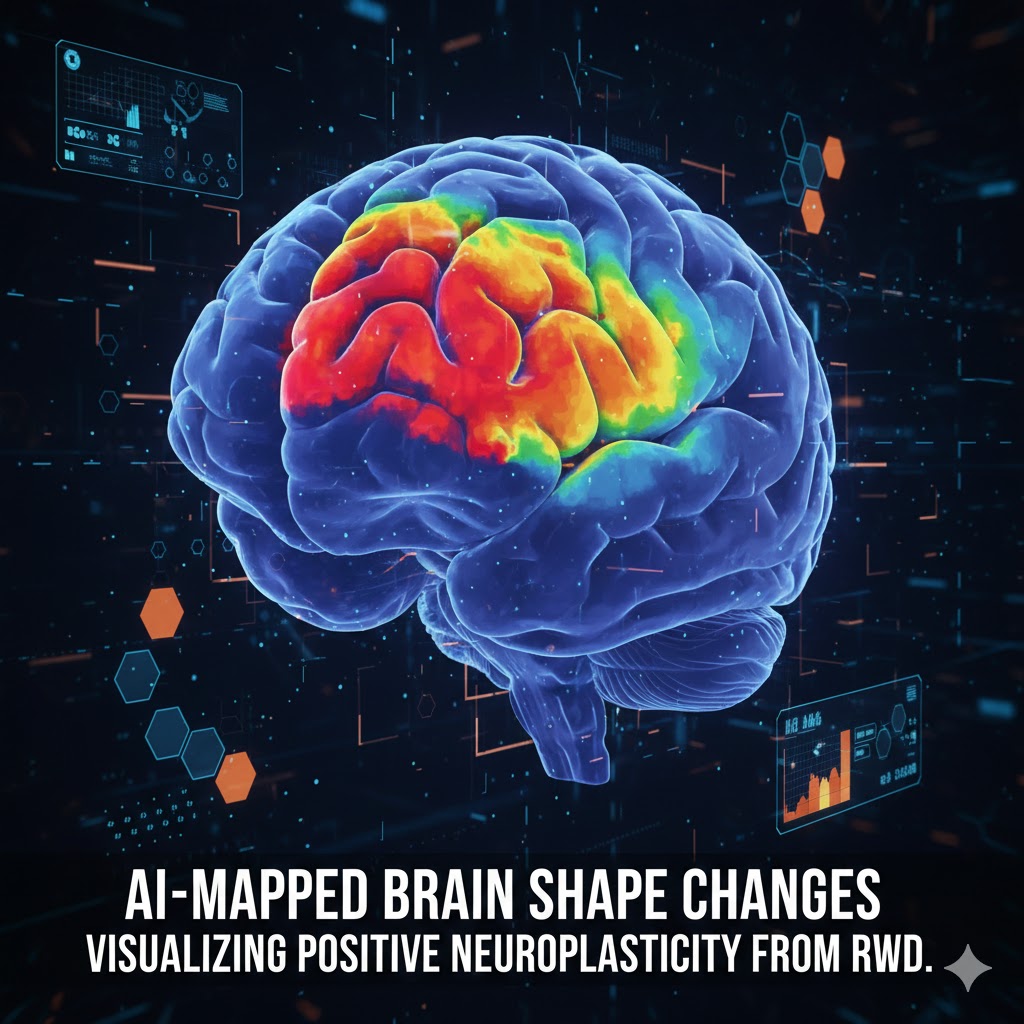
𝐀𝐭 𝐭𝐡𝐞 𝐡𝐞𝐚𝐫𝐭 𝐨𝐟 𝐭𝐡𝐢𝐬 𝐬𝐡𝐢𝐟𝐭 𝐢𝐬 𝐏𝐨𝐬𝐢𝐭𝐢𝐯𝐞 𝐍𝐞𝐮𝐫𝐨𝐩𝐥𝐚𝐬𝐭𝐢𝐜𝐢𝐭𝐲. 𝐓𝐡𝐢𝐬 𝐢𝐬𝐧’𝐭 𝐣𝐮𝐬𝐭 𝐚 𝐜𝐥𝐢𝐧𝐢𝐜𝐚𝐥 𝐭𝐡𝐞𝐨𝐫𝐲; 𝐢𝐭 𝐢𝐬 𝐭𝐡𝐞 𝐛𝐢𝐨𝐥𝐨𝐠𝐢𝐜𝐚𝐥 𝐦𝐞𝐜𝐡𝐚𝐧𝐢𝐬𝐦 𝐭𝐡𝐚𝐭 𝐚𝐥𝐥𝐨𝐰𝐬 𝐚 𝐩𝐚𝐭𝐢𝐞𝐧𝐭 𝐭𝐨 𝐬𝐡𝐚𝐭𝐭𝐞𝐫 𝐥𝐨𝐧𝐠-𝐬𝐭𝐚𝐧𝐝𝐢𝐧𝐠 𝐛𝐚𝐫𝐫𝐢𝐞𝐫𝐬. 𝐈𝐭 𝐢𝐬 𝐭𝐡𝐞 𝐞𝐧𝐠𝐢𝐧𝐞 𝐭𝐡𝐚𝐭 𝐝𝐫𝐢𝐯𝐞𝐬 𝐬𝐨𝐦𝐞𝐨𝐧𝐞 𝐭𝐨 𝐟𝐢𝐧𝐚𝐥𝐥𝐲 𝐝𝐫𝐨𝐩 𝐦𝐞𝐚𝐭 𝐟𝐫𝐨𝐦 𝐭𝐡𝐞𝐢𝐫 𝐝𝐢𝐞𝐭, 𝐦𝐚𝐬𝐭𝐞𝐫 “𝐀𝐭𝐨𝐦𝐢𝐜 𝐇𝐚𝐛𝐢𝐭𝐬,” 𝐨𝐫 𝐩𝐮𝐬𝐡 𝐭𝐡𝐞𝐢𝐫 𝐛𝐫𝐢𝐬𝐤 𝐰𝐚𝐥𝐤 𝐩𝐚𝐬𝐭 𝐭𝐡𝐚𝐭 𝐟𝐢𝐫𝐬𝐭 𝐦𝐢𝐥𝐞 𝐭𝐨 𝐚 𝐬𝐞𝐜𝐨𝐧𝐝 𝐚𝐧𝐝 𝐭𝐡𝐢𝐫𝐝. 𝐖𝐡𝐞𝐧 𝐰𝐞 𝐪𝐮𝐚𝐧𝐭𝐢𝐟𝐲 𝐭𝐡𝐞𝐬𝐞 𝐬𝐭𝐫𝐮𝐜𝐭𝐮𝐫𝐚𝐥 𝐜𝐨𝐫𝐭𝐢𝐜𝐚𝐥 𝐜𝐡𝐚𝐧𝐠𝐞𝐬 𝐮𝐬𝐢𝐧𝐠 𝐚𝐮𝐭𝐨𝐦𝐚𝐭𝐞𝐝 𝐬𝐮𝐫𝐟𝐚𝐜𝐞 𝐚𝐧𝐚𝐥𝐲𝐬𝐢𝐬 (𝐆𝐏𝐒𝐀), 𝐰𝐞 𝐚𝐫𝐞𝐧’𝐭 𝐣𝐮𝐬𝐭 𝐦𝐞𝐚𝐬𝐮𝐫𝐢𝐧𝐠 𝐛𝐞𝐡𝐚𝐯𝐢𝐨𝐫—𝐰𝐞 𝐚𝐫𝐞 𝐦𝐞𝐚𝐬𝐮𝐫𝐢𝐧𝐠 𝐭𝐡𝐞 𝐛𝐫𝐚𝐢𝐧’𝐬 𝐩𝐡𝐲𝐬𝐢𝐜𝐚𝐥 𝐫𝐞-𝐚𝐫𝐜𝐡𝐢𝐭𝐞𝐜𝐭𝐮𝐫𝐞.
As a Senior Director in RWE, I am focused on the “how.” By utilizing Agentic Coding in R and Python, we can now automate the validation of these anatomical markers, specifically the Procrustes Surface Metric (PSM). This allows us to bypass the “correspondence problem” of human brain variation and deliver precise, individualized evidence of efficacy. We are moving from observing “what” patients do to proving “how” their brains have physically evolved to support those new capabilities.
For the 40-65 demographic, this is the frontier of Cognitive Longevity. Whether it’s the motor coordination required to swim more laps or the mental training of Quadrato Motor Training (QMT), these activities leave a physical “fingerprint” on the cortex. My role is to bridge this deep science with a regulatory strategy that allows these neuro-regenerative breakthroughs to reach the market faster. We are no longer guessing at value; we are measuring it in the very folds of the brain.
The future of CNS is not just about stopping decay; it’s about architecting a more specialized, resilient vertebrate lineage. If your RWD strategy isn’t accounting for morphological “Positive Neuroplasticity,” you’re missing the most important signal in the noise. It’s time to move beyond the scale and look at the shape of success.