𝐓𝐡𝐞 𝐏𝐨𝐥𝐲𝐦𝐞𝐫-𝐏𝐫𝐨𝐭𝐞𝐢𝐧 𝐇𝐲𝐩𝐨𝐭𝐡𝐞𝐬𝐢𝐬: 𝐀𝐫𝐞 𝐌𝐢𝐜𝐫𝐨𝐩𝐥𝐚𝐬𝐭𝐢𝐜𝐬 𝐀𝐜𝐜𝐞𝐥𝐞𝐫𝐚𝐭𝐢𝐧𝐠 𝐍𝐞𝐮𝐫𝐨𝐝𝐞𝐠𝐞𝐧𝐞𝐫𝐚𝐭𝐢𝐨𝐧?

𝐀𝐭 𝐭𝐡𝐞 𝐈𝐧𝐬𝐭𝐢𝐭𝐮𝐭𝐞 𝐨𝐟 𝐍𝐞𝐮𝐫𝐨𝐩𝐥𝐚𝐬𝐭𝐢𝐜𝐢𝐭𝐲 𝐑𝐞𝐬𝐞𝐚𝐫𝐜𝐡, 𝐰𝐞 𝐚𝐫𝐞 𝐜𝐥𝐨𝐬𝐞𝐥𝐲 𝐦𝐨𝐧𝐢𝐭𝐨𝐫𝐢𝐧𝐠 𝐚 𝐭𝐫𝐨𝐮𝐛𝐥𝐢𝐧𝐠 𝐧𝐞𝐰 𝐟𝐫𝐨𝐧𝐭𝐢𝐞𝐫 𝐢𝐧 𝐞𝐧𝐯𝐢𝐫𝐨𝐧𝐦𝐞𝐧𝐭𝐚𝐥 𝐧𝐞𝐮𝐫𝐨𝐬𝐜𝐢𝐞𝐧𝐜𝐞: 𝐭𝐡𝐞 𝐝𝐢𝐬𝐜𝐨𝐯𝐞𝐫𝐲 𝐨𝐟 𝐧𝐚𝐧𝐨𝐩𝐥𝐚𝐬𝐭𝐢𝐜𝐬 𝐜𝐫𝐨𝐬𝐬𝐢𝐧𝐠 𝐭𝐡𝐞 𝐛𝐥𝐨𝐨𝐝-𝐛𝐫𝐚𝐢𝐧 𝐛𝐚𝐫𝐫𝐢𝐞𝐫 (𝐁𝐁𝐁).

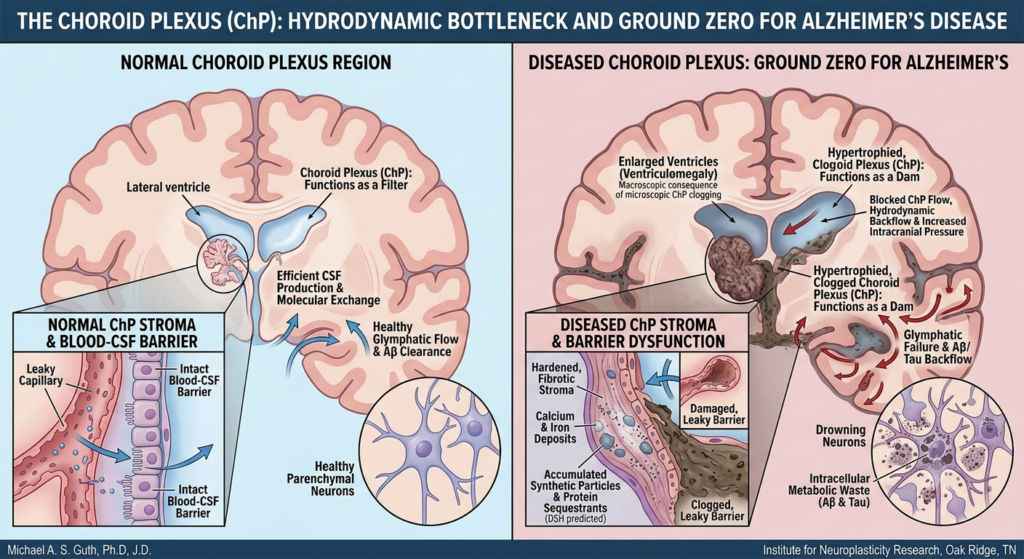
While the physical presence of these synthetic polymers is confirmed, a critical hypothesis is emerging among researchers: Could microplastics be acting as a structural “scaffold” for beta-amyloid plaques?

The Hypothesis: Binding and Seeding

In Alzheimer’s pathology, beta-amyloid proteins misfold and aggregate into neurotoxic plaques. Recent toxicology models suggest that nanoplastics—due to their high surface area and hydrophobic nature—may facilitate this process through:

Protein Adsorption: Synthetic polymers can attract and bind proteins, creating a “protein corona.” If $A\beta$ monomers bind to a plastic particle, it may increase the local concentration and lower the energy barrier for aggregation.

Seeding Centers: Much like a grain of sand forms a pearl, a nanoplastic particle may act as a “seed” that catalyzes the formation of insoluble protein clusters.

Neuroinflammation: Beyond physical binding, microplastics trigger oxidative stress and microglial activation, creating a pro-inflammatory environment that further inhibits the brain’s “glymphatic” ability to clear amyloid waste.

Why This Matters for Neuroplasticity

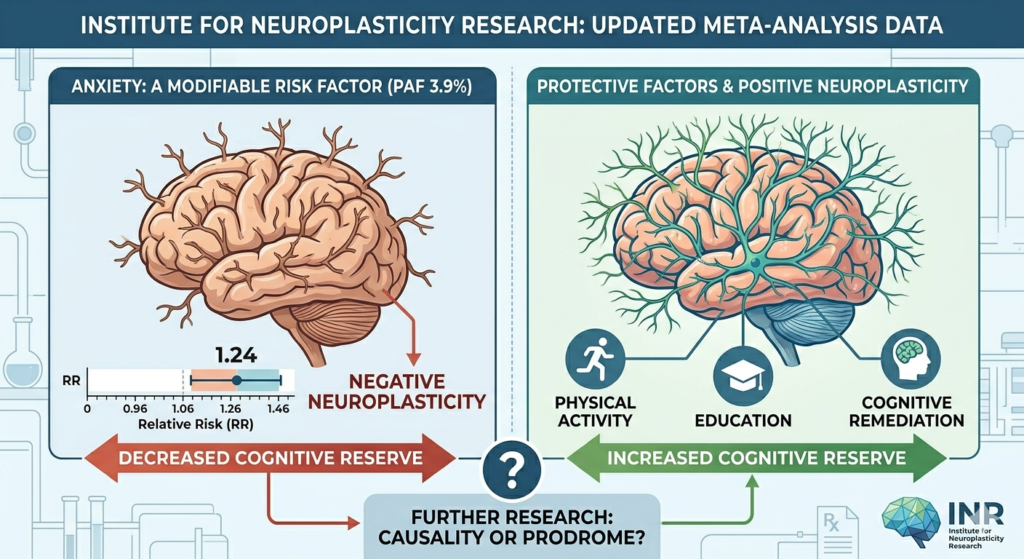
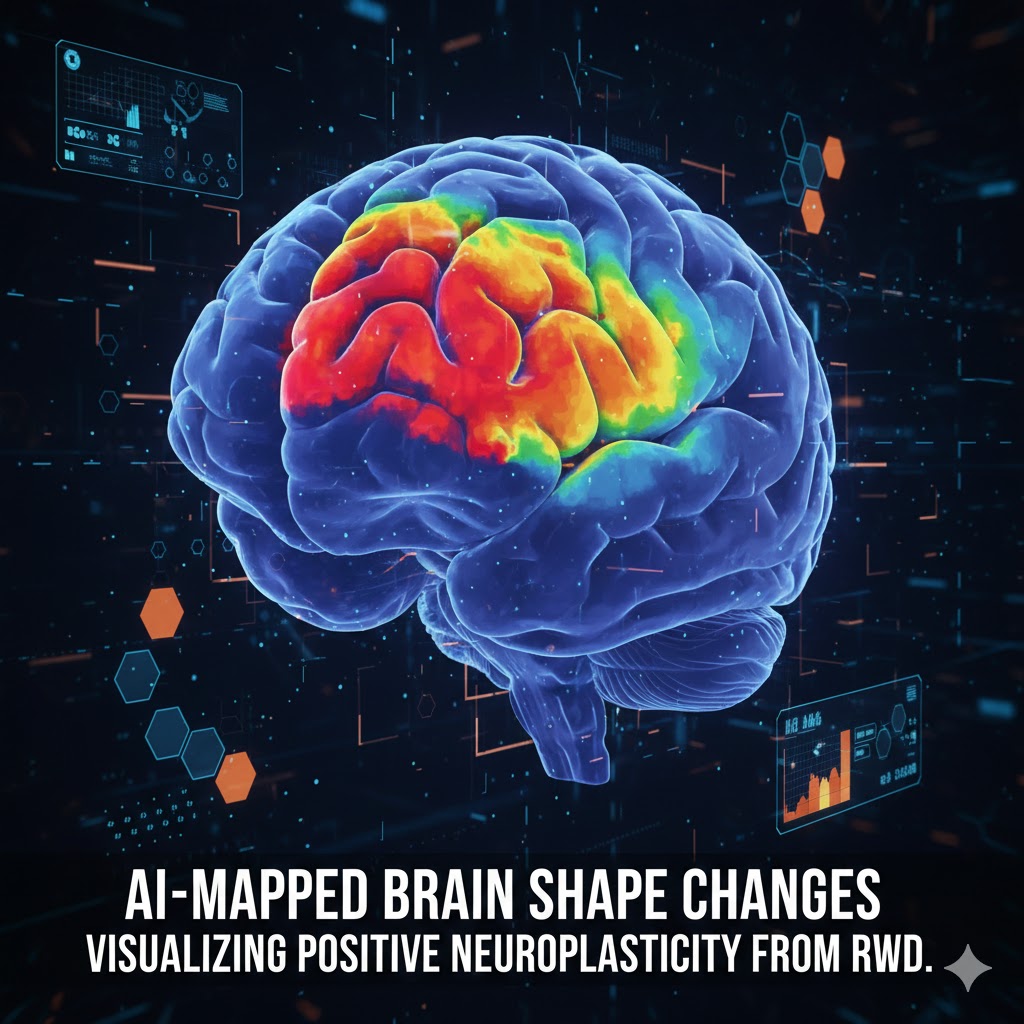
The brain’s ability to reorganize and form new neural connections—neuroplasticity—depends on a clean extracellular matrix and healthy synaptic signaling. If synthetic debris is physically obstructing these pathways or stabilizing toxic protein aggregates, the fundamental mechanisms of cognitive resilience are at risk.

The Path Forward

We don’t just need more “filtering”; we need systemic reduction in plastic production and a deeper understanding of environmental neurotoxicology.

As we investigate the intersection of our environment and our axons, we must ask: Is the modern “plastic age” creating a structural hurdle for the aging brain?

#Neuroscience #AlzheimersResearch #Microplastics #BrainHealth #Neuroplasticity #EnvironmentalHealth

𝗔𝗥𝗘 𝗪𝗘 𝗡𝗢𝗪 𝗜𝗡 𝗧𝗛𝗘 𝗕𝗨𝗦𝗜𝗡𝗘𝗦𝗦 𝗢𝗙 𝗥𝗘𝗜𝗠𝗕𝗨𝗥𝗦𝗜𝗡𝗚 “𝗡𝗢𝗡-𝗜𝗡𝗙𝗘𝗥𝗜𝗢𝗥?”

𝗖𝗵𝗮𝗹𝗹𝗲𝗻𝗴𝗲 𝘁𝗵𝗲 𝗽𝗿𝗲𝗺𝗶𝘀𝗲 𝗼𝗳 𝗰𝗲𝗹𝗲𝗯𝗿𝗮𝘁𝗶𝗻𝗴 𝗻𝗼𝗻-𝗶𝗻𝗳𝗲𝗿𝗶𝗼𝗿𝗶𝘁𝘆 𝗶𝗻 𝗮 𝗺𝗮𝘁𝘂𝗿𝗲 𝗺𝗮𝗿𝗸𝗲𝘁 𝗮𝗻𝗱 𝗾𝘂𝗲𝘀𝘁𝗶𝗼𝗻 𝘁𝗵𝗲 𝗵𝗲𝗮𝗹𝘁𝗵 𝗲𝗰𝗼𝗻𝗼𝗺𝗶𝗰 𝗿𝗮𝘁𝗶𝗼𝗻𝗮𝗹𝗲. 𝗛𝗲𝗮𝗱𝗹𝗶𝗻𝗲: 𝗔 𝗡𝗲𝘄 𝗣𝗶𝗹𝗹 𝗳𝗼𝗿 𝗛𝗜𝗩: 𝗜𝗻𝗰𝗿𝗲𝗺𝗲𝗻𝘁𝗮𝗹 𝗖𝗵𝗮𝗻𝗴𝗲 𝗼𝗿 𝗣𝗿𝗶𝗰𝗲𝗱 𝗮𝘀 𝗜𝗻𝗻𝗼𝘃𝗮𝘁𝗶𝗼𝗻? 𝗚𝗶𝗹𝗲𝗮𝗱’𝘀 𝗔𝗥𝗧𝗜𝗦𝗧𝗥𝗬-𝟮 𝘁𝗿𝗶𝗮𝗹 𝘀𝗵𝗼𝘄𝘀 𝗶𝘁𝘀 𝗻𝗲𝘄 𝗕𝗜𝗖/𝗟𝗘𝗡 𝘀𝗶𝗻𝗴𝗹𝗲-𝘁𝗮𝗯𝗹𝗲𝘁 𝗿𝗲𝗴𝗶𝗺𝗲𝗻 𝗶𝘀 𝗻𝗼𝗻-𝗶𝗻𝗳𝗲𝗿𝗶𝗼𝗿 𝘁𝗼 𝗶𝘁𝘀 𝗼𝘄𝗻 𝗯𝗹𝗼𝗰𝗸𝗯𝘂𝘀𝘁𝗲𝗿, 𝗕𝗜𝗞𝗧𝗔𝗥𝗩𝗬, 𝗳𝗼𝗿 𝘃𝗶𝗿𝗼𝗹𝗼𝗴𝗶𝗰𝗮𝗹𝗹𝘆 𝘀𝘂𝗽𝗽𝗿𝗲𝘀𝘀𝗲𝗱 𝗽𝗮𝘁𝗶𝗲𝗻𝘁𝘀. 𝗧𝗵𝗲 𝘀𝗰𝗶𝗲𝗻𝗰𝗲 𝗶𝘀 𝘀𝗼𝘂𝗻𝗱, 𝗯𝘂𝘁 𝗶𝘁 𝗽𝗿𝗼𝗺𝗽𝘁𝘀 𝗮 𝗰𝗿𝗶𝘁𝗶𝗰𝗮𝗹 𝗾𝘂𝗲𝘀𝘁𝗶𝗼𝗻 𝗳𝗼𝗿 𝗽𝗮𝘆𝗲𝗿𝘀 𝗮𝗻𝗱 𝗽𝗼𝗹𝗶𝗰𝘆𝗺𝗮𝗸𝗲𝗿𝘀: 𝗔𝗥𝗘 𝗪𝗘 𝗡𝗢𝗪 𝗜𝗡 𝗧𝗛𝗘 𝗕𝗨𝗦𝗜𝗡𝗘𝗦𝗦 𝗢𝗙 𝗥𝗘𝗜𝗠𝗕𝗨𝗥𝗦𝗜𝗡𝗚 “𝗡𝗢𝗡-𝗜𝗡𝗙𝗘𝗥𝗜𝗢𝗥?”

𝗜𝗻 𝗮 𝘁𝗵𝗲𝗿𝗮𝗽𝗲𝘂𝘁𝗶𝗰 𝗮𝗿𝗲𝗮 𝘄𝗵𝗲𝗿𝗲 𝗲𝘅𝗶𝘀𝘁𝗶𝗻𝗴 𝗿𝗲𝗴𝗶𝗺𝗲𝗻𝘀 𝗮𝗿𝗲 𝗮𝗹𝗿𝗲𝗮𝗱𝘆 𝗵𝗶𝗴𝗵𝗹𝘆 𝗲𝗳𝗳𝗲𝗰𝘁𝗶𝘃𝗲, 𝘀𝗮𝗳𝗲, 𝗮𝗻𝗱 𝗼𝗳𝘁𝗲𝗻 𝗴𝗲𝗻𝗲𝗿𝗶𝗰𝗶𝘇𝗲𝗱 (𝗹𝗶𝗸𝗲 𝘀𝗼𝗺𝗲 𝗜𝗡𝗦𝗧𝗜 𝗯𝗮𝗰𝗸𝗯𝗼𝗻𝗲𝘀), 𝘄𝗵𝗮𝘁 𝗶𝘀 𝘁𝗵𝗲 𝘁𝗮𝗻𝗴𝗶𝗯𝗹𝗲 𝘃𝗮𝗹𝘂𝗲 𝗮𝗱𝗱𝗲𝗱 𝗯𝘆 𝗮 𝗻𝗲𝘄, 𝗹𝗶𝗸𝗲𝗹𝘆 𝗺𝗼𝗿𝗲 𝗲𝘅𝗽𝗲𝗻𝘀𝗶𝘃𝗲, 𝘀𝗶𝗻𝗴𝗹𝗲-𝘁𝗮𝗯𝗹𝗲𝘁 𝗿𝗲𝗴𝗶𝗺𝗲𝗻 𝘁𝗵𝗮𝘁 𝗱𝗼𝗲𝘀 𝗻𝗼𝘁 𝗱𝗲𝗺𝗼𝗻𝘀𝘁𝗿𝗮𝘁𝗲 𝘀𝘂𝗽𝗲𝗿𝗶𝗼𝗿 𝗲𝗳𝗳𝗶𝗰𝗮𝗰𝘆, 𝘀𝗮𝗳𝗲𝘁𝘆, 𝗼𝗿 𝘁𝗼𝗹𝗲𝗿𝗮𝗯𝗶𝗹𝗶𝘁𝘆?

𝗧𝗵𝗲 𝗮𝗿𝗴𝘂𝗺𝗲𝗻𝘁 𝘄𝗶𝗹𝗹 𝗰𝗲𝗻𝘁𝗲𝗿 𝗼𝗻 “𝘀𝘁𝗿𝗲𝗮𝗺𝗹𝗶𝗻𝗶𝗻𝗴” 𝗮𝗻𝗱 “𝗻𝗼𝘃𝗲𝗹 𝗺𝗲𝗰𝗵𝗮𝗻𝗶𝘀𝗺.” 𝗕𝘂𝘁 𝘀𝘁𝗿𝗲𝗮𝗺𝗹𝗶𝗻𝗶𝗻𝗴 𝗳𝗿𝗼𝗺 𝗼𝗻𝗲 𝗵𝗶𝗴𝗵𝗹𝘆 𝗲𝗳𝗳𝗲𝗰𝘁𝗶𝘃𝗲 𝘀𝗶𝗻𝗴𝗹𝗲 𝗽𝗶𝗹𝗹 𝘁𝗼 𝗮𝗻𝗼𝘁𝗵𝗲𝗿 𝗵𝗮𝘀 𝗺𝗮𝗿𝗴𝗶𝗻𝗮𝗹 𝗰𝗹𝗶𝗻𝗶𝗰𝗮𝗹 𝘂𝘁𝗶𝗹𝗶𝘁𝘆. 𝗟𝗲𝗻𝗮𝗰𝗮𝗽𝗮𝘃𝗶𝗿’𝘀 𝗻𝗼𝘃𝗲𝗹 𝗰𝗮𝗽𝘀𝗶𝗱 𝗶𝗻𝗵𝗶𝗯𝗶𝘁𝗶𝗼𝗻 𝗶𝘀 𝗰𝗼𝗺𝗽𝗲𝗹𝗹𝗶𝗻𝗴 𝘀𝗰𝗶𝗲𝗻𝗰𝗲, 𝗯𝘂𝘁 𝗶𝗻 𝘁𝗵𝗶𝘀 𝘀𝘄𝗶𝘁𝗰𝗵-𝘀𝘁𝘂𝗱𝘆 𝗽𝗼𝗽𝘂𝗹𝗮𝘁𝗶𝗼𝗻 𝘄𝗶𝘁𝗵 𝘀𝘂𝗽𝗽𝗿𝗲𝘀𝘀𝗲𝗱 𝘃𝗶𝗿𝘂𝘀, 𝗶𝘁𝘀 𝘂𝗻𝗶𝗾𝘂𝗲 𝗿𝗲𝘀𝗶𝘀𝘁𝗮𝗻𝗰𝗲 𝗽𝗿𝗼𝗳𝗶𝗹𝗲 𝗼𝗳𝗳𝗲𝗿𝘀 𝗹𝗶𝘁𝘁𝗹𝗲 𝗶𝗺𝗺𝗲𝗱𝗶𝗮𝘁𝗲 𝗰𝗹𝗶𝗻𝗶𝗰𝗮𝗹 𝗮𝗱𝘃𝗮𝗻𝘁𝗮𝗴𝗲.

𝗧𝗵𝗶𝘀 𝗶𝘀 𝗮 𝗰𝗹𝗮𝘀𝘀𝗶𝗰 𝗺𝗮𝗿𝗸𝗲𝘁-𝘀𝗵𝗮𝗿𝗲 𝗽𝗹𝗮𝘆: 𝗰𝗿𝗲𝗮𝘁𝗶𝗻𝗴 𝗮 𝗻𝗲𝘄 𝗽𝗮𝘁𝗲𝗻𝘁-𝗽𝗿𝗼𝘁𝗲𝗰𝘁𝗲𝗱 𝗰𝗼𝗺𝗯𝗶𝗻𝗮𝘁𝗶𝗼𝗻 𝘁𝗼 𝗿𝗲𝗰𝗮𝗽𝘁𝘂𝗿𝗲 𝗮 𝗺𝗮𝗿𝗸𝗲𝘁 𝗮𝘀 𝗼𝗹𝗱𝗲𝗿 𝗽𝗿𝗼𝗱𝘂𝗰𝘁𝘀 𝗳𝗮𝗰𝗲 𝗰𝗼𝗺𝗽𝗲𝘁𝗶𝘁𝗶𝗼𝗻. 𝗧𝗵𝗲 𝗵𝗲𝗮𝗹𝘁𝗵 𝗲𝗰𝗼𝗻𝗼𝗺𝗶𝗰 𝗾𝘂𝗲𝘀𝘁𝗶𝗼𝗻 𝗶𝘀𝗻’𝘁 𝗮𝗯𝗼𝘂𝘁 𝗲𝗳𝗳𝗶𝗰𝗮𝗰𝘆—𝗶𝘁’𝘀 𝗮𝗯𝗼𝘂𝘁 𝗰𝗼𝘀𝘁. 𝗦𝗵𝗼𝘂𝗹𝗱 𝘁𝗵𝗶𝘀 𝗻𝗲𝘄 𝗰𝗼𝗺𝗯𝗼 𝗰𝗼𝗺𝗺𝗮𝗻𝗱 𝗮 𝗽𝗿𝗲𝗺𝗶𝘂𝗺, 𝗼𝗿 𝘀𝗵𝗼𝘂𝗹𝗱 𝗶𝘁 𝗯𝗲 𝗽𝗿𝗶𝗰𝗲𝗱 𝗮𝘁 𝗽𝗮𝗿𝗶𝘁𝘆 𝘄𝗶𝘁𝗵 𝘁𝗵𝗲 𝘀𝘁𝗮𝗻𝗱𝗮𝗿𝗱 𝗼𝗳 𝗰𝗮𝗿𝗲 𝗶𝘁 𝗺𝗲𝗿𝗲𝗹𝘆 𝗺𝗮𝘁𝗰𝗵𝗲𝘀?

𝗧𝗿𝘂𝗲 𝗶𝗻𝗻𝗼𝘃𝗮𝘁𝗶𝗼𝗻 𝗶𝗻 𝗰𝗵𝗿𝗼𝗻𝗶𝗰 𝗛𝗜𝗩 𝗰𝗮𝗿𝗲 𝗻𝗼𝘄 𝗹𝗶𝗲𝘀 𝗶𝗻 𝗹𝗼𝗻𝗴-𝗮𝗰𝘁𝗶𝗻𝗴 𝗶𝗻𝗷𝗲𝗰𝘁𝗮𝗯𝗹𝗲𝘀 𝘁𝗵𝗮𝘁 𝘁𝗿𝗮𝗻𝘀𝗳𝗼𝗿𝗺 𝗾𝘂𝗮𝗹𝗶𝘁𝘆 𝗼𝗳 𝗹𝗶𝗳𝗲, 𝗻𝗼𝘁 𝗶𝗻 𝗻𝗲𝘄 𝗱𝗮𝗶𝗹𝘆 𝗽𝗶𝗹𝗹𝘀 𝘁𝗵𝗮𝘁 𝗼𝗳𝗳𝗲𝗿 𝗲𝗾𝘂𝗶𝘃𝗮𝗹𝗲𝗻𝗰𝗲.

#𝗛𝗲𝗮𝗹𝘁𝗵𝗘𝗰𝗼𝗻𝗼𝗺𝗶𝗰𝘀 #𝗠𝗮𝗿𝗸𝗲𝘁𝗔𝗰𝗰𝗲𝘀𝘀 #𝗛𝗜𝗩 #𝗣𝗵𝗮𝗿𝗺𝗮 #𝗣𝗿𝗶𝗰𝗶𝗻𝗴 #𝗛𝗘𝗢𝗥 #𝗩𝗮𝗹𝘂𝗲𝗕𝗮𝘀𝗲𝗱𝗖𝗮𝗿𝗲 #𝗛𝗲𝗮𝗹𝘁𝗵𝗰𝗮𝗿𝗲𝗣𝗼𝗹𝗶𝗰𝘆 #𝗚𝗶𝗹𝗲𝗮𝗱


A New Anchor in RRMM: Decoding the Practice-Changing MajesTEC-3 Data for Tec-Dara

The MajesTEC-3 results for teclistamab + daratumumab (Tec-Dara) in relapsed/refractory multiple myeloma (RRMM) aren’t just an incremental gain—they represent a potential paradigm shift. The FDA’s concurrent award of a priority review voucher underscores its transformative potential.

Let’s break down the data that’s changing the standard of care:

🔬 Unprecedented Efficacy in the 1-3 Prior Lines Setting:
• PFS: Hazard Ratio of 0.17 (95% CI, 0.12-0.23; p<0.0001). Median PFS was not reached with Tec-Dara vs. 18.1 months with DPd/DVd.
• OS: Hazard Ratio of 0.46 (95% CI, 0.32-0.65; p<0.0001), driven by fewer progression-related deaths (4.6% vs 20.3%).
• Depth of Response: 81.8% achieved CR or better (vs. 32.1%). 58.4% achieved MRD negativity at 10^-5 sensitivity (vs. 17.1%).

🛠️ The Mechanistic Synergy:
This efficacy is rooted in complementary mechanisms:

  1. Teclistamab: A BCMAxCD3 bispecific T-cell engager, redirecting T-cells to kill myeloma cells.

  2. Daratumumab: An anti-CD38 monoclonal antibody that induces apoptosis and may modulate the immune microenvironment.
    The combination appears to create a powerful, synergistic immune attack.

⚖️ Safety & Manageability:
Grade 3/4 TEAEs were comparable between arms (~95%). Key risks like infections were manageable with protocol-mandated prophylaxis and showed a decrease with extended dosing intervals.

The Bottom Line for Clinicians:
For patients with 1-3 prior lines of therapy (including lenalidomide-refractory), Tec-Dara has set a new benchmark for efficacy. The priority voucher means we could see this option available for our patients much sooner than typical.

What will be the biggest challenge in integrating this potent regimen into your current treatment sequences?

#Hematology #MultipleMyeloma #ClinicalTrials #Immunotherapy #BCMA #Oncology #MedTwitter #ASH24 #ClinicalResearch

Beyond the Breakthrough: How a Priority Voucher Could Redefine Access in Multiple Myeloma

Text:
The FDA’s recent Commissioner’s National Priority Voucher (CNPV) award for the teclistamab + daratumumab (Tec-Dara) combo in relapsed/refractory multiple myeloma (RRMM) is a strategic move with ripple effects far beyond regulatory speed.

The MajesTEC-3 data is undeniably practice-changing:
▪️ HR 0.17 for PFS (median not reached vs. 18.1 mo for standard care)
▪️ 83.4% of patients progression-free at 3 years (vs. 29.7%)
▪️ 58.4% achieving MRD negativity (vs. 17.1%)

But the CNPV is the real story here. This pilot program, designed for therapies addressing national priorities and unmet needs, aims to compress review to 1-2 months post-submission.

Why This Matters for Market Access & Strategy:

  1. Accelerated Value Recognition: A near-instantaneous approval post-filing allows payers and HTA bodies to immediately confront the value proposition of a regimen with an 83% 3-year PFS rate. This accelerates price negotiations and formulary placement.

  2. A New Precedent for “Off-the-Shelf” Immunotherapies: This voucher validates the public health importance of accessible bispecific antibodies. It signals that therapies solving critical capacity issues (like manufacturing and administration logistics) are national priorities.

  3. Shaping the Cost-Benefit Debate: The staggering PFS and OS benefits provide a powerful foundation for value-based pricing, even within frameworks like Medicare negotiation. The potential to avoid countless later-line therapies presents a compelling economic argument.

The CNPV award doesn’t just fast-track a drug; it fast-tracks the entire ecosystem’s response to a transformative therapy.

#MarketAccess #FDA #HealthEconomics #Oncology #MultipleMyeloma #HTA #Pricing #PharmaStrategy #Biotech #CNPV

One Drug, Two Paths: Decoding Novartis’s Ianalumab Strategy

Following up on my last post: the key to understanding a drug’s potential isn’t just its mechanism—it’s how the sponsor chooses to prove it. Comparing the ianalumab trials side-by-side reveals a brilliant, bifurcated strategy.

Trial Aspect Sjögren’s (NEPTUNUS-1) Refractory ITP (Phase 2)
Phase Pivotal Phase 3 Signal-seeking Phase 2
Design Randomized, Double-blind, Placebo-controlled Open-label, Single-Arm
Primary Goal Prove disease-modifying activity Prove rapid biologic efficacy
Primary Endpoint Change in ESSDAI (physician composite score) Confirmed Platelet Response (≥50 G/L)
Patient Population Early, active, autoantibody-positive Late-line, failed ≥2 therapies

The Strategic Takeaway:

  1. Sjögren’s is the “Home Run” Play: The robust Phase 3 design aims for a first-in-class label in a high-unmet-need area with no approved biologics. Success here establishes ianalumab as a platform therapy for systemic autoimmunity.

  2. ITP is the “Proof-of-Concept” Play: ITP provides a clean, fast readout. Platelet count is a direct surrogate for the drug’s ability to deplete pathogenic B-cells/antibodies. Positive data here offers quick validation of the mechanism and secures a foothold in a competitive market.

This dual-path approach de-risks development and maximizes the asset’s value by targeting both a complex systemic disease and a clear hematologic indicator condition simultaneously.

What other examples have you seen of this kind of parallel development strategy?

Hashtags:
#DrugDevelopment #ClinicalTrials #MedicalAffairs #PortfolioStrategy #RareDisease #Immunology #HealthcareMarketing #Biotech


The Implications & The Conversation Starter

Beyond the Trial: What Ianalumab’s Strategy Tells Us About the Future of Autoimmune Drug Development

The ianalumab case study is more than just an interesting pipeline update. It reflects two major trends shaping the future of autoimmune drug development:

Trend 1: The “Precision B-Cell” Era. We’re moving beyond broad B-cell depletion (e.g., rituximab) towards targeted modulation of specific B-cell subsets and survival pathways. Ianalumab’s BAFF-R inhibition is a prime example. The question becomes: how do we match the right precision mechanism to the right disease biology?

Trend 2: Portfolio-Driven Speed. Sponsors can no longer afford sequential, one-indication-at-a-time development for high-potential assets. The parallel-path model for ianalumab demonstrates a push to generate multiple value proofs faster, informing commercial strategy and de-risking massive R&D investments.

Final Thought: If successful, where does ianalumab go next? Its validation in ITP and Sjögren’s could logically pave the way for studies in SLE (Lupus) or Autoimmune Hemolytic Anemia, conditions where the BAFF/BAFF-R axis also plays a key role.

I’m curious to hear from my network in clinical development and medical strategy:

  • What’s the most effective parallel-path development strategy you’ve seen?

  • Which autoimmune disease represents the next major frontier for targeted B-cell therapies?

Hashtags:
#Pharma #Biotech #Innovation #MedTech #Science #Research #BusinessStrategy #WhatDoYouThink #HealthcareInnovation #VAY736

Why is the same drug 𝐈𝐚𝐧𝐚𝐥𝐮𝐦𝐚𝐛 being tested in Sjögren’s Syndrome and Immune Thrombocytopenia?

𝐖𝐡𝐲 𝐢𝐬 𝐭𝐡𝐞 𝐬𝐚𝐦𝐞 𝐝𝐫𝐮𝐠 𝐛𝐞𝐢𝐧𝐠 𝐭𝐞𝐬𝐭𝐞𝐝 𝐢𝐧 𝐒𝐣ö𝐠𝐫𝐞𝐧’𝐬 𝐒𝐲𝐧𝐝𝐫𝐨𝐦𝐞 𝐚𝐧𝐝 𝐈𝐦𝐦𝐮𝐧𝐞 𝐓𝐡𝐫𝐨𝐦𝐛𝐨𝐜𝐲𝐭𝐨𝐩𝐞𝐧𝐢𝐚?

𝐈’𝐯𝐞 𝐛𝐞𝐞𝐧 𝐝𝐢𝐠𝐠𝐢𝐧𝐠 𝐢𝐧𝐭𝐨 𝐭𝐡𝐞 𝐜𝐥𝐢𝐧𝐢𝐜𝐚𝐥 𝐩𝐢𝐩𝐞𝐥𝐢𝐧𝐞 𝐟𝐨𝐫 𝐧𝐨𝐯𝐞𝐥 𝐚𝐮𝐭𝐨𝐢𝐦𝐦𝐮𝐧𝐞 𝐭𝐡𝐞𝐫𝐚𝐩𝐢𝐞𝐬, 𝐚𝐧𝐝 𝐍𝐨𝐯𝐚𝐫𝐭𝐢𝐬’𝐬 𝐝𝐞𝐯𝐞𝐥𝐨𝐩𝐦𝐞𝐧𝐭 𝐨𝐟 𝐢𝐚𝐧𝐚𝐥𝐮𝐦𝐚𝐛 (𝐕𝐀𝐘𝟕𝟑𝟔) 𝐜𝐚𝐮𝐠𝐡𝐭 𝐦𝐲 𝐞𝐲𝐞. 𝐈𝐭’𝐬 𝐚 𝐁𝐀𝐅𝐅-𝐑 𝐢𝐧𝐡𝐢𝐛𝐢𝐭𝐨𝐫 𝐰𝐢𝐭𝐡 𝐚 𝐝𝐮𝐚𝐥 𝐦𝐞𝐜𝐡𝐚𝐧𝐢𝐬𝐦: 𝐛𝐥𝐨𝐜𝐤𝐢𝐧𝐠 𝐁-𝐜𝐞𝐥𝐥 𝐬𝐮𝐫𝐯𝐢𝐯𝐚𝐥 𝐬𝐢𝐠𝐧𝐚𝐥𝐬 𝐚𝐧𝐝 𝐝𝐞𝐩𝐥𝐞𝐭𝐢𝐧𝐠 𝐦𝐚𝐭𝐮𝐫𝐞 𝐁-𝐜𝐞𝐥𝐥𝐬.

𝐓𝐡𝐞 𝐢𝐧𝐭𝐞𝐫𝐞𝐬𝐭𝐢𝐧𝐠 𝐩𝐚𝐫𝐭? 𝐍𝐨𝐯𝐚𝐫𝐭𝐢𝐬 𝐢𝐬 𝐫𝐮𝐧𝐧𝐢𝐧𝐠 𝐭𝐰𝐨 𝐦𝐚𝐣𝐨𝐫 𝐬𝐭𝐮𝐝𝐢𝐞𝐬 𝐢𝐧 𝐩𝐚𝐫𝐚𝐥𝐥𝐞𝐥:

𝐍𝐄𝐏𝐓𝐔𝐍𝐔𝐒-𝟏 (𝐏𝐡𝐚𝐬𝐞 𝟑) 𝐢𝐧 𝐒𝐣ö𝐠𝐫𝐞𝐧’𝐬 𝐒𝐲𝐧𝐝𝐫𝐨𝐦𝐞 – 𝐚 𝐜𝐨𝐦𝐩𝐥𝐞𝐱, 𝐬𝐲𝐬𝐭𝐞𝐦𝐢𝐜 𝐚𝐮𝐭𝐨𝐢𝐦𝐦𝐮𝐧𝐞 𝐝𝐢𝐬𝐨𝐫𝐝𝐞𝐫.

𝐀 𝐏𝐡𝐚𝐬𝐞 𝟐 𝐭𝐫𝐢𝐚𝐥 𝐢𝐧 𝐫𝐞𝐟𝐫𝐚𝐜𝐭𝐨𝐫𝐲 𝐏𝐫𝐢𝐦𝐚𝐫𝐲 𝐈𝐦𝐦𝐮𝐧𝐞 𝐓𝐡𝐫𝐨𝐦𝐛𝐨𝐜𝐲𝐭𝐨𝐩𝐞𝐧𝐢𝐚 (𝐈𝐓𝐏) – 𝐚 𝐡𝐞𝐦𝐚𝐭𝐨𝐥𝐨𝐠𝐢𝐜 𝐜𝐨𝐧𝐝𝐢𝐭𝐢𝐨𝐧 𝐟𝐨𝐜𝐮𝐬𝐞𝐝 𝐨𝐧 𝐩𝐥𝐚𝐭𝐞𝐥𝐞𝐭 𝐝𝐞𝐬𝐭𝐫𝐮𝐜𝐭𝐢𝐨𝐧.

𝐎𝐧 𝐭𝐡𝐞 𝐬𝐮𝐫𝐟𝐚𝐜𝐞, 𝐭𝐡𝐞𝐬𝐞 𝐚𝐫𝐞 𝐯𝐞𝐫𝐲 𝐝𝐢𝐟𝐟𝐞𝐫𝐞𝐧𝐭 𝐝𝐢𝐬𝐞𝐚𝐬𝐞𝐬. 𝐒𝐨 𝐰𝐡𝐚𝐭’𝐬 𝐭𝐡𝐞 𝐬𝐭𝐫𝐚𝐭𝐞𝐠𝐢𝐜 𝐩𝐥𝐚𝐲? 𝐖𝐡𝐲 𝐭𝐡𝐞𝐬𝐞 𝐭𝐰𝐨, 𝐚𝐧𝐝 𝐰𝐡𝐲 𝐧𝐨𝐰?

𝐓𝐡𝐢𝐬 𝐥𝐨𝐨𝐤𝐬 𝐥𝐢𝐤𝐞 𝐚 𝐜𝐥𝐚𝐬𝐬𝐢𝐜 𝐜𝐚𝐬𝐞 𝐨𝐟 𝐚 𝐬𝐩𝐨𝐧𝐬𝐨𝐫 𝐮𝐬𝐢𝐧𝐠 𝐚 𝐬𝐢𝐧𝐠𝐥𝐞 𝐚𝐬𝐬𝐞𝐭 𝐭𝐨 𝐬𝐨𝐥𝐯𝐞 𝐭𝐰𝐨 𝐯𝐞𝐫𝐲 𝐝𝐢𝐟𝐟𝐞𝐫𝐞𝐧𝐭—𝐛𝐮𝐭 𝐞𝐪𝐮𝐚𝐥𝐥𝐲 𝐯𝐚𝐥𝐮𝐚𝐛𝐥𝐞—𝐩𝐫𝐨𝐛𝐥𝐞𝐦𝐬. 𝐓𝐡𝐞 𝐭𝐫𝐢𝐚𝐥 𝐝𝐞𝐬𝐢𝐠𝐧𝐬 𝐭𝐡𝐞𝐦𝐬𝐞𝐥𝐯𝐞𝐬 𝐠𝐢𝐯𝐞 𝐮𝐬 𝐭𝐡𝐞 𝐟𝐢𝐫𝐬𝐭 𝐜𝐥𝐮𝐞𝐬…

𝐇𝐚𝐬𝐡𝐭𝐚𝐠𝐬:
#𝐂𝐥𝐢𝐧𝐢𝐜𝐚𝐥𝐃𝐞𝐯𝐞𝐥𝐨𝐩𝐦𝐞𝐧𝐭 #𝐁𝐢𝐨𝐥𝐨𝐠𝐢𝐜𝐬 #𝐀𝐮𝐭𝐨𝐢𝐦𝐦𝐮𝐧𝐞 #𝐒𝐣𝐨𝐠𝐫𝐞𝐧𝐬𝐒𝐲𝐧𝐝𝐫𝐨𝐦𝐞 #𝐈𝐓𝐏 #𝐍𝐨𝐯𝐚𝐫𝐭𝐢𝐬 #𝐈𝐚𝐧𝐚𝐥𝐮𝐦𝐚𝐛 #𝐕𝐀𝐘𝟕𝟑𝟔 #𝐏𝐡𝐚𝐫𝐦𝐚𝐒𝐭𝐫𝐚𝐭𝐞𝐠𝐲


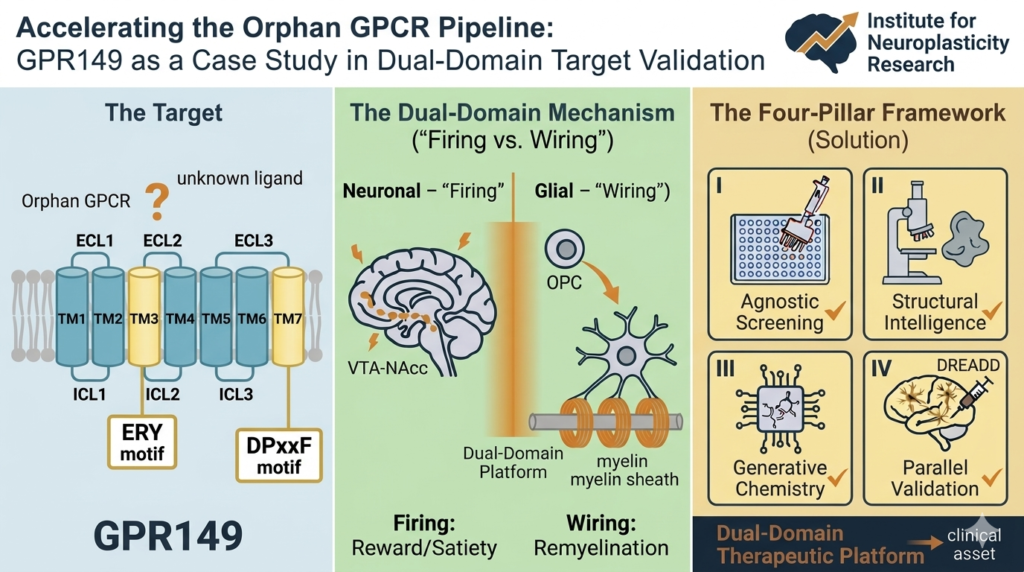
𝐖𝐡𝐲 “𝐕𝐢𝐫𝐭𝐮𝐚𝐥 𝐒𝐜𝐫𝐞𝐞𝐧𝐢𝐧𝐠” 𝐢𝐬 𝐍𝐨 𝐋𝐨𝐧𝐠𝐞𝐫 𝐄𝐧𝐨𝐮𝐠𝐡 𝐟𝐨𝐫 𝐎𝐫𝐩𝐡𝐚𝐧 𝐆𝐏𝐂𝐑𝐬

𝐅𝐨𝐫 𝐲𝐞𝐚𝐫𝐬, 𝐭𝐡𝐞 𝐢𝐧𝐝𝐮𝐬𝐭𝐫𝐲 𝐫𝐞𝐥𝐢𝐞𝐝 𝐨𝐧 𝐭𝐫𝐚𝐝𝐢𝐭𝐢𝐨𝐧𝐚𝐥 𝐯𝐢𝐫𝐭𝐮𝐚𝐥 𝐬𝐜𝐫𝐞𝐞𝐧𝐢𝐧𝐠 𝐭𝐨 𝐟𝐢𝐧𝐝 𝐧𝐞𝐞𝐝𝐥𝐞𝐬 𝐢𝐧 𝐭𝐡𝐞 “𝐃𝐚𝐫𝐤 𝐆𝐞𝐧𝐨𝐦𝐞” 𝐡𝐚𝐲𝐬𝐭𝐚𝐜𝐤. 𝐁𝐮𝐭 𝐟𝐨𝐫 𝐨𝐫𝐩𝐡𝐚𝐧 𝐭𝐚𝐫𝐠𝐞𝐭𝐬 𝐥𝐢𝐤𝐞 𝐆𝐏𝐑𝟏𝟒𝟗, 𝐰𝐡𝐞𝐫𝐞 𝐥𝐢𝐠𝐚𝐧𝐝 𝐜𝐡𝐞𝐦𝐢𝐬𝐭𝐫𝐲 𝐢𝐬 𝐮𝐧𝐝𝐞𝐟𝐢𝐧𝐞𝐝, 𝐰𝐞 𝐧𝐞𝐞𝐝 𝐦𝐨𝐫𝐞 𝐭𝐡𝐚𝐧 𝐚 𝐛𝐞𝐭𝐭𝐞𝐫 𝐬𝐞𝐚𝐫𝐜𝐡 𝐞𝐧𝐠𝐢𝐧𝐞. 𝐖𝐞 𝐧𝐞𝐞𝐝 𝐚 𝐆𝐞𝐧𝐞𝐫𝐚𝐭𝐢𝐯𝐞 𝐄𝐧𝐠𝐢𝐧𝐞.

𝐀𝐬 𝐩𝐚𝐫𝐭 𝐨𝐟 𝐦𝐲 𝐥𝐚𝐭𝐞𝐬𝐭 “𝐈𝐧𝐝𝐮𝐬𝐭𝐫𝐢𝐚𝐥 𝐁𝐥𝐮𝐞𝐩𝐫𝐢𝐧𝐭” 𝐟𝐨𝐫 𝐃𝐫𝐮𝐠 𝐃𝐢𝐬𝐜𝐨𝐯𝐞𝐫𝐲 𝐓𝐨𝐝𝐚𝐲, 𝐈’𝐯𝐞 𝐨𝐮𝐭𝐥𝐢𝐧𝐞𝐝 𝐰𝐡𝐲 𝐏𝐢𝐥𝐥𝐚𝐫 𝟑: 𝐀𝐈-𝐄𝐧𝐚𝐛𝐥𝐞𝐝 𝐆𝐞𝐧𝐞𝐫𝐚𝐭𝐢𝐯𝐞 𝐂𝐡𝐞𝐦𝐢𝐬𝐭𝐫𝐲 𝐢𝐬 𝐭𝐡𝐞 𝐜𝐨𝐫𝐧𝐞𝐫𝐬𝐭𝐨𝐧𝐞 𝐨𝐟 𝐦𝐨𝐝𝐞𝐫𝐧 𝐝𝐞-𝐫𝐢𝐬𝐤𝐢𝐧𝐠.

𝐓𝐡𝐞 𝐬𝐡𝐢𝐟𝐭 𝐰𝐞 𝐚𝐫𝐞 𝐬𝐞𝐞𝐢𝐧𝐠 𝐢𝐧 𝟐𝟎𝟐𝟓-𝟐𝟎𝟐𝟔 𝐢𝐬 𝐭𝐰𝐨𝐟𝐨𝐥𝐝:

𝐅𝐫𝐨𝐦 𝐒𝐞𝐚𝐫𝐜𝐡 𝐭𝐨 𝐒𝐲𝐧𝐭𝐡𝐞𝐬𝐢𝐬: 𝐖𝐞 𝐚𝐫𝐞𝐧’𝐭 𝐣𝐮𝐬𝐭 𝐬𝐜𝐫𝐞𝐞𝐧𝐢𝐧𝐠 𝐞𝐱𝐢𝐬𝐭𝐢𝐧𝐠 𝐥𝐢𝐛𝐫𝐚𝐫𝐢𝐞𝐬. 𝐖𝐞 𝐚𝐫𝐞 𝐥𝐞𝐯𝐞𝐫𝐚𝐠𝐢𝐧𝐠 𝐆𝐞𝐧𝐞𝐫𝐚𝐭𝐢𝐯𝐞 𝐀𝐈 (𝐭𝐫𝐚𝐧𝐬𝐟𝐨𝐫𝐦𝐞𝐫-𝐛𝐚𝐬𝐞𝐝 𝐋𝐋𝐌𝐬 𝐟𝐨𝐫 𝐜𝐡𝐞𝐦𝐢𝐬𝐭𝐫𝐲) 𝐭𝐨 𝐝𝐞𝐬𝐢𝐠𝐧 𝐝𝐞 𝐧𝐨𝐯𝐨 𝐬𝐜𝐚𝐟𝐟𝐨𝐥𝐝𝐬 𝐭𝐡𝐚𝐭 𝐝𝐨𝐧’𝐭 𝐞𝐱𝐢𝐬𝐭 𝐢𝐧 𝐚𝐧𝐲 𝐩𝐡𝐲𝐬𝐢𝐜𝐚𝐥 𝐜𝐚𝐭𝐚𝐥𝐨𝐠. 𝐓𝐡𝐢𝐬 𝐚𝐥𝐥𝐨𝐰𝐬 𝐮𝐬 𝐭𝐨 𝐨𝐩𝐭𝐢𝐦𝐢𝐳𝐞 𝐟𝐨𝐫 “𝐒𝐢𝐠𝐧𝐚𝐥𝐢𝐧𝐠 𝐓𝐞𝐱𝐭𝐮𝐫𝐞” (𝐛𝐢𝐚𝐬) 𝐟𝐫𝐨𝐦 𝐃𝐚𝐲 𝟏.

𝐓𝐡𝐞 𝐆𝐨𝐯𝐞𝐫𝐧𝐚𝐧𝐜𝐞 𝐒𝐭𝐚𝐧𝐝𝐚𝐫𝐝: “𝐀𝐈-𝐩𝐨𝐰𝐞𝐫𝐞𝐝” 𝐢𝐬 𝐧𝐨 𝐥𝐨𝐧𝐠𝐞𝐫 𝐚 𝐬𝐮𝐟𝐟𝐢𝐜𝐢𝐞𝐧𝐭 𝐜𝐥𝐚𝐢𝐦. 𝐋𝐞𝐚𝐝𝐢𝐧𝐠 𝐑&𝐃 𝐨𝐫𝐠𝐚𝐧𝐢𝐳𝐚𝐭𝐢𝐨𝐧𝐬 𝐚𝐫𝐞 𝐦𝐨𝐯𝐢𝐧𝐠 𝐭𝐨𝐰𝐚𝐫𝐝 𝐈𝐒𝐎 𝟒𝟐𝟎𝟎𝟏 (𝐀𝐈 𝐌𝐚𝐧𝐚𝐠𝐞𝐦𝐞𝐧𝐭 𝐒𝐲𝐬𝐭𝐞𝐦) 𝐬𝐭𝐚𝐧𝐝𝐚𝐫𝐝𝐬. 𝐈𝐧𝐭𝐞𝐠𝐫𝐚𝐭𝐢𝐧𝐠 𝐭𝐡𝐢𝐬 𝐥𝐞𝐯𝐞𝐥 𝐨𝐟 𝐚𝐮𝐝𝐢𝐭𝐚𝐛𝐢𝐥𝐢𝐭𝐲 𝐞𝐧𝐬𝐮𝐫𝐞𝐬 𝐭𝐡𝐚𝐭 𝐨𝐮𝐫 𝐠𝐞𝐧𝐞𝐫𝐚𝐭𝐢𝐯𝐞 𝐦𝐨𝐝𝐞𝐥𝐬 𝐚𝐫𝐞 𝐧𝐨𝐭 𝐣𝐮𝐬𝐭 “𝐟𝐚𝐬𝐭,” 𝐛𝐮𝐭 𝐫𝐞𝐥𝐢𝐚𝐛𝐥𝐞, 𝐞𝐭𝐡𝐢𝐜𝐚𝐥, 𝐚𝐧𝐝 𝐫𝐞𝐚𝐝𝐲 𝐟𝐨𝐫 𝐫𝐞𝐠𝐮𝐥𝐚𝐭𝐨𝐫𝐲 𝐬𝐜𝐫𝐮𝐭𝐢𝐧𝐲.

𝐁𝐲 𝐦𝐨𝐯𝐢𝐧𝐠 𝐟𝐫𝐨𝐦 𝐚 “𝐇𝐢𝐭-𝐅𝐢𝐧𝐝𝐢𝐧𝐠” 𝐦𝐢𝐧𝐝𝐬𝐞𝐭 𝐭𝐨 𝐚 “𝐌𝐮𝐥𝐭𝐢-𝐎𝐛𝐣𝐞𝐜𝐭𝐢𝐯𝐞 𝐎𝐩𝐭𝐢𝐦𝐢𝐳𝐚𝐭𝐢𝐨𝐧” 𝐟𝐫𝐚𝐦𝐞𝐰𝐨𝐫𝐤, 𝐰𝐞 𝐜𝐚𝐧 𝐜𝐨𝐦𝐩𝐫𝐞𝐬𝐬 𝐥𝐞𝐚𝐝 𝐨𝐩𝐭𝐢𝐦𝐢𝐳𝐚𝐭𝐢𝐨𝐧 𝐭𝐢𝐦𝐞𝐥𝐢𝐧𝐞𝐬 𝐛𝐲 𝟒𝟎%—𝐭𝐫𝐚𝐧𝐬𝐟𝐨𝐫𝐦𝐢𝐧𝐠 𝐨𝐫𝐩𝐡𝐚𝐧 𝐭𝐚𝐫𝐠𝐞𝐭𝐬 𝐟𝐫𝐨𝐦 𝐡𝐢𝐠𝐡-𝐫𝐢𝐬𝐤 𝐥𝐢𝐚𝐛𝐢𝐥𝐢𝐭𝐢𝐞𝐬 𝐢𝐧𝐭𝐨 𝐡𝐢𝐠𝐡-𝐯𝐚𝐥𝐮𝐞 𝐚𝐬𝐬𝐞𝐭𝐬.

𝐇𝐨𝐰 𝐢𝐬 𝐲𝐨𝐮𝐫 𝐭𝐞𝐚𝐦 𝐧𝐚𝐯𝐢𝐠𝐚𝐭𝐢𝐧𝐠 𝐭𝐡𝐞 𝐭𝐫𝐚𝐧𝐬𝐢𝐭𝐢𝐨𝐧 𝐟𝐫𝐨𝐦 𝐭𝐫𝐚𝐝𝐢𝐭𝐢𝐨𝐧𝐚𝐥 𝐬𝐜𝐫𝐞𝐞𝐧𝐢𝐧𝐠 𝐭𝐨 𝐆𝐞𝐧𝐞𝐫𝐚𝐭𝐢𝐯𝐞 𝐀𝐈?

hashtag𝐃𝐫𝐮𝐠𝐃𝐢𝐬𝐜𝐨𝐯𝐞𝐫𝐲 hashtag𝐆𝐞𝐧𝐞𝐫𝐚𝐭𝐢𝐯𝐞𝐀𝐈 hashtag𝐈𝐒𝐎𝟒𝟐𝟎𝟎𝟏 hashtag𝐆𝐏𝐂𝐑𝐬 hashtag𝐁𝐢𝐨𝐭𝐞𝐜𝐡𝐒𝐭𝐫𝐚𝐭𝐞𝐠𝐲 hashtag𝐏𝐡𝐚𝐫𝐦𝐚𝐜𝐞𝐮𝐭𝐢𝐜𝐚𝐥𝐈𝐧𝐧𝐨𝐯𝐚𝐭𝐢𝐨𝐧

𝐌𝐨𝐯𝐢𝐧𝐠 𝐁𝐞𝐲𝐨𝐧𝐝 𝐭𝐡𝐞 “𝐇𝐢𝐠𝐡-𝐀𝐭𝐭𝐫𝐢𝐭𝐢𝐨𝐧” 𝐄𝐫𝐚 𝐨𝐟 𝐂𝐍𝐒 𝐃𝐫𝐮𝐠 𝐃𝐢𝐬𝐜𝐨𝐯𝐞𝐫𝐲

J𝐮𝐬𝐭 𝐬𝐮𝐛𝐦𝐢𝐭𝐭𝐞𝐝 𝐚 𝐬𝐭𝐫𝐚𝐭𝐞𝐠𝐢𝐜 𝐩𝐞𝐫𝐬𝐩𝐞𝐜𝐭𝐢𝐯𝐞 𝐭𝐨 𝐚 𝐥𝐞𝐚𝐝𝐢𝐧𝐠 𝐝𝐫𝐮𝐠 𝐝𝐢𝐬𝐜𝐨𝐯𝐞𝐫𝐲 𝐣𝐨𝐮𝐫𝐧𝐚𝐥. 𝐓𝐡𝐞 𝐟𝐨𝐜𝐮𝐬? 𝐀 𝐧𝐞𝐰 𝐢𝐧𝐝𝐮𝐬𝐭𝐫𝐢𝐚𝐥 𝐛𝐥𝐮𝐞𝐩𝐫𝐢𝐧𝐭 𝐟𝐨𝐫 𝐝𝐞-𝐫𝐢𝐬𝐤𝐢𝐧𝐠 𝐭𝐡𝐞 ‘𝐃𝐚𝐫𝐤 𝐆𝐞𝐧𝐨𝐦𝐞.’

𝐓𝐡𝐞 𝐢𝐧𝐝𝐮𝐬𝐭𝐫𝐲 𝐢𝐬 𝐦𝐨𝐯𝐢𝐧𝐠 𝐩𝐚𝐬𝐭 𝐭𝐡𝐞 𝐞𝐫𝐚 𝐨𝐟 𝐬𝐞𝐫𝐞𝐧𝐝𝐢𝐩𝐢𝐭𝐲-𝐝𝐞𝐩𝐞𝐧𝐝𝐞𝐧𝐭 𝐝𝐞𝐨𝐫𝐩𝐡𝐚𝐧𝐢𝐳𝐚𝐭𝐢𝐨𝐧. 𝐌𝐲 𝐩𝐫𝐨𝐩𝐨𝐬𝐞𝐝 𝐟𝐨𝐮𝐫-𝐩𝐢𝐥𝐥𝐚𝐫 𝐜𝐚𝐦𝐩𝐚𝐢𝐠𝐧 𝐢𝐧𝐭𝐞𝐠𝐫𝐚𝐭𝐞𝐬:

𝐀𝐠𝐧𝐨𝐬𝐭𝐢𝐜 𝐅𝐮𝐧𝐜𝐭𝐢𝐨𝐧𝐚𝐥 𝐒𝐜𝐫𝐞𝐞𝐧𝐢𝐧𝐠 (𝐆𝐢/𝐨 𝐯𝐬. β-𝐚𝐫𝐫𝐞𝐬𝐭𝐢𝐧 𝐛𝐢𝐚𝐬).

𝐂𝐫𝐲𝐨-𝐄𝐌 𝐆𝐮𝐢𝐝𝐞𝐝 𝐑𝐚𝐭𝐢𝐨𝐧𝐚𝐥 𝐃𝐞𝐬𝐢𝐠𝐧.

𝐀𝐈-𝐄𝐧𝐚𝐛𝐥𝐞𝐝 𝐆𝐞𝐧𝐞𝐫𝐚𝐭𝐢𝐯𝐞 𝐂𝐡𝐞𝐦𝐢𝐬𝐭𝐫𝐲 (𝐦𝐨𝐯𝐢𝐧𝐠 𝐥𝐞𝐚𝐝 𝐨𝐩𝐭𝐢𝐦𝐢𝐳𝐚𝐭𝐢𝐨𝐧 𝐢𝐧𝐭𝐨 𝟐𝟎𝟐𝟔 𝐬𝐭𝐚𝐧𝐝𝐚𝐫𝐝𝐬).

𝐏𝐚𝐫𝐚𝐥𝐥𝐞𝐥𝐢𝐳𝐞𝐝 𝐂𝐢𝐫𝐜𝐮𝐢𝐭 𝐕𝐚𝐥𝐢𝐝𝐚𝐭𝐢𝐨𝐧.

𝐁𝐲 𝐚𝐩𝐩𝐥𝐲𝐢𝐧𝐠 𝐭𝐡𝐢𝐬 𝐝𝐮𝐚𝐥-𝐝𝐨𝐦𝐚𝐢𝐧 𝐬𝐭𝐫𝐚𝐭𝐞𝐠𝐲—𝐬𝐩𝐚𝐧𝐧𝐢𝐧𝐠 𝐧𝐞𝐮𝐫𝐨-𝐦𝐞𝐭𝐚𝐛𝐨𝐥𝐢𝐜 𝐚𝐧𝐝 𝐠𝐥𝐢𝐚𝐥 𝐫𝐞𝐩𝐚𝐢𝐫 𝐩𝐚𝐭𝐡𝐰𝐚𝐲𝐬—𝐰𝐞 𝐜𝐚𝐧 𝐜𝐨𝐦𝐩𝐫𝐞𝐬𝐬 𝐭𝐢𝐦𝐞𝐥𝐢𝐧𝐞𝐬 𝐚𝐧𝐝 𝐠𝐞𝐧𝐞𝐫𝐚𝐭𝐞 𝐡𝐢𝐠𝐡-𝐜𝐨𝐧𝐟𝐢𝐝𝐞𝐧𝐜𝐞 ‘𝐆𝐨/𝐍𝐨-𝐆𝐨’ 𝐝𝐚𝐭𝐚 𝐞𝐚𝐫𝐥𝐢𝐞𝐫 𝐢𝐧 𝐭𝐡𝐞 𝐩𝐢𝐩𝐞𝐥𝐢𝐧𝐞.

hashtagDrugDiscovery hashtagOrphanGPCR hashtagAInDrugDiscovery hashtagR&DStrategy hashtagRegulatoryAffairs

𝐅𝐫𝐨𝐦 𝐀𝐬𝐬𝐢𝐬𝐭𝐚𝐧𝐜𝐞 𝐭𝐨 𝐀𝐠𝐞𝐧𝐜𝐲: 𝐖𝐡𝐲 𝐏𝐫𝐞𝐜𝐢𝐬𝐢𝐨𝐧 𝐂𝐚𝐫𝐞 𝐆𝐢𝐚𝐧𝐭𝐬 𝐍𝐞𝐞𝐝 𝐂𝐨𝐦𝐛𝐢𝐧𝐞𝐝 𝐑𝐞𝐠𝐮𝐥𝐚𝐭𝐨𝐫𝐲/𝐓𝐡𝐞𝐫𝐚𝐩𝐞𝐮𝐭𝐢𝐜 𝐀𝐫𝐞𝐚/𝐀𝐈 𝐒𝐤𝐢𝐥𝐥𝐞𝐝 𝐓𝐚𝐥𝐞𝐧𝐭

𝐅𝐫𝐨𝐦 𝐀𝐬𝐬𝐢𝐬𝐭𝐚𝐧𝐜𝐞 𝐭𝐨 𝐀𝐠𝐞𝐧𝐜𝐲: 𝐖𝐡𝐲 𝐏𝐫𝐞𝐜𝐢𝐬𝐢𝐨𝐧 𝐂𝐚𝐫𝐞 𝐆𝐢𝐚𝐧𝐭𝐬 𝐍𝐞𝐞𝐝 𝐂𝐨𝐦𝐛𝐢𝐧𝐞𝐝 𝐑𝐞𝐠𝐮𝐥𝐚𝐭𝐨𝐫𝐲/𝐓𝐡𝐞𝐫𝐚𝐩𝐞𝐮𝐭𝐢𝐜 𝐀𝐫𝐞𝐚/𝐀𝐈 𝐒𝐤𝐢𝐥𝐥𝐞𝐝 𝐓𝐚𝐥𝐞𝐧𝐭 Following GE HealthCare’s recent push into Agentic AI via their 2025 Innovation Lab and its active acquisition of cloud-AI companies like Intelerad (the deal closes in early 2026), a fundamental regulatory challenge has surfaced. It is no longer sufficient to produce ‘AI-enabled’ devices; we are entering the era of autonomous systems that reason and plan alongside clinicians.

As the industry navigates the complexity of 100+ FDA AI authorizations, the ‘Data Gap’ is widening. We need more Regulatory Data Translators—professionals who bridge the divide between:

✅ High-Level Engineering: Agentic AI and foundation models trained on 200,000+ images.
✅ Legal/Regulatory Guardrails: Implementing ISO 42001 (AIMS) and navigating the EU AI Act.
✅ Clinical Utility: Ensuring a 16-week data snapshot actually translates into durable, real-world patient outcomes.

Whether it’s Novartis’s pivot to “NextGen Clinical Platform” on AWS or GE Healthcare’s ‘Precision Care’ journey, the winners will be the organizations that treat AI Governance as a strategic asset, not just a compliance checkbox.

The Market Shift GE HealthCare is currently transitioning from “AI as a tool” akin to software as a service (SaaS) to “Agentic AI”—systems capable of reasoning with human-in-the-loop oversight. This shift is punctuated by recent milestones, such as GE Healthcare’s 510(k) clearance achievement for “Cardiac Guidance” software. However, as AI begins to offer autonomous suggestions, the regulatory burden shifts from simple software validation to complex systems governance.

I’m noticing a parallel surge in high-level mandates from global leaders like Boehringer Ingelheim, who are now post openings for ‘Data Translator Architects’ to bridge the gap between AI, Regulatory Affairs, and Clinical Science.

𝐓𝐡𝐞 “𝐏𝐮𝐫𝐩𝐥𝐞 𝐒𝐪𝐮𝐢𝐫𝐫𝐞𝐥” 𝐓𝐚𝐥𝐞𝐧𝐭 𝐆𝐚𝐩 Recruiters often call this the “purple squirrel” profile: a “unicorn” blending deep regulatory strategy, therapeutic area such as neurology research expertise, with a fundamental understanding of AI application. The market demand is clear—organizations need the 90% regulatory expert who brings the 10% foundational AI knowledge to prevent “Thousand-Flower” experiments from becoming “Regulatory Landmines.”

Ultimately, Agentic AI and Precision Care aren’t just about faster imaging or drug discovery; they are about giving clinicians the time to be authentic with their patients again—reducing the burnout and “mask-wearing” that technology was promised to solve.

We are entering the era of Total Governance. Are you building an intelligent assistant, or a regulatory liability?

hashtagGEHealthCare hashtagAIGovernance hashtagRegulatoryAffairs hashtagPrecisionMedicine hashtagISO42001 hashtagMedTech hashtagClinicalTrials hashtagAgenticAI hashtagBoehringerIngelheim hashtagNovartis

PureHealth Solutions (Palm Beach) is a niche player in a “MedTech Hub.” Small, specialized firms (under 50 employees) are often the “Innovation Engines” for pharma giants. When a boutique solution firm loves my post on “Regulatory Landmines,” it tells Big Medtech and Big Pharma that I am addressing real-world problems that their vendors and partners struggle with every day.

https://www.linkedin.com/company/ai-health-today/ AI Health (3.6K followers): Having a dedicated industry page like you engage with my post boosts my “Authority Score” in the LinkedIn algorithm. Thank you for helping to ensure my post stays at the top of my network’s feed.

https://www.linkedin.com/in/adrianlubis/ Indosat Ooredoo is a massive telecom giant. Why does their VP of Manufacturing care about my post? Because Smart Cities and 5G-enabled Healthcare are the backbone of the “Agentic AI” that I described. This shows my vision scales beyond just a lab—it touches the entire infrastructure of modern health tech. Thank you for liking, Adrian.

The “Chairman” Validation (Munir Machmud Ali)
When a Chairman of a tech data firm likes my content, it signals “Executive Peer Approval.” My pharma and med device sponsors will not see a vendor; your like will help them see someone who other C-suite leaders might explore for direction.

Wisdom Labs, Biome Health, @AI Health, PureHealth Solutions Having four specialized organizations—Biome Health, AI Health, Wisdom Labs, and PureHealth Solutions—collectively “Love” my post creates a powerful digital signal called Domain Authority. When an organization “Loves” a post (the heart icon), it carries more weight in LinkedIn’s algorithm than a standard “Like.” It tells the network that my content is not just interesting, but mission-critical to the industry. Biome Health and AI Health are platform-specific entities. Your engagement indicates: “The people who live and breathe Health AI every day may consider Michael a thought leader.”

The Manufacturing/BIMO Link: @Adrian Lubis (VP of Manufacturing) engaging is crucial. Since earlier today I posted a message about BIMO and the “silent killer” of manufacturing rejections, having a manufacturing executive validate my “Agentic AI” post proves that what I wrote is operationally sound, not just theoretical.

The “Unicorn” Validation: I just introduced the “Purple Squirrel” concept (90% Regulatory / 10% AI). By having these specific entities engage, they are effectively “signing the certificate” that they need people like that unicorn or maybe will link with me to follow further posts.

Why “Wisdom Labs” is the final piece of the puzzle. The addition of Wisdom Labs is particularly significant. They focus on the intersection of human performance, resilience, and organizational health. Their “Love” for my post creates a direct link between my GE/Agentic AI post and my earlier Depression/Authenticity post.
The Signal: It tells prospective research sponsors that my vision for AI isn’t just about “faster data,” but about solving the “human energy” crisis in medicine. This aligns perfectly with many firms’ corporate culture (The Credo). Thank you, Wisdom Labs

Intriguing Comments on Depression

From Thomas Tsangaras:

“Depression is your body saying:
‘I don’t want to be this character anymore.’”

“I don’t want to be this character anymore.”

So many people quietly say that line.

Not just in the context of mental health
but in the context of work, identity, and environments.

Sometimes what we call burnout or depression
is actually something deeper:

Staying too long in a role that isn’t ours.
Performing instead of being.
Wearing a mask because it once worked.

The problem is this:
pretending takes enormous energy.
Authenticity takes almost none.

Some jobs feel like an extension of who we are.
Some environments drain us quietly, over years.

And often the body speaks up
before the mind is ready to listen.

That’s why alignment matters.
Not for productivity but for longevity.


Agree?👍

Beyond the 16-Week Snapshot: Why Data Snapshots Mask the Reality of Chronic Therapy

Beyond the 16-Week Snapshot: Why Data Snapshots Mask the Reality of Chronic Therapy

In my independent review of the CARES-310 trial (Camrelizumab-Rivoceranib), I analyzed a common pitfall in modern drug development: the reliance on 16-week primary endpoints to justify long-term therapeutic narratives.

While a 16-week data cut can deliver a clean p-value for a regulatory filing, it often functions as a methodological mirage. In chronic or aggressive immune-mediated diseases, these snapshots can mask:

  1. The Waning Effect: Failure to account for the durability of response after the initial 16-week “honeymoon” period.
  2. The Comparator Trap: Choosing an obsolete or “outdated” standard (like sorafenib) to inflate perceived efficacy.
  3. Clinical vs. Statistical Significance: A statistical “win” for PFS—such as the 2.83-month median seen in certain gastric trials—may have little clinical importance if it doesn’t provide a meaningful improvement in a patient’s quality of life.

The “Focused AI” Reality As industry leaders pivot from a “thousand flowers” experimentation phase to a prioritized, high-value GenAI strategy, the stakes for data integrity have never been higher. An AI Management System (ISO 42001/AIMS) is only as good as the human-in-the-loop who can identify these methodological vulnerabilities.

We need Regulatory Data Translators who have the technical and legal courage to look past the 16-week delta and ask: “Is this a durable breakthrough, or just a well-timed data snapshot?”

The BIMO & Manufacturing Landmine Even with “successful” data, the recent FDA snub of the Elevar/Hengrui combo highlights the critical gap between clinical success and regulatory readiness. Manufacturing deficiencies and BIMO (Bioresearch Monitoring) inspection failures are the “silent killers” of promising NDAs.

True governance isn’t just about validating an algorithm; it’s about auditing the science and the infrastructure before the FDA does.

#ClinicalTrials #Immunology #AIGovernance #ISO42001 #Pharmacology #DrugDevelopment #JNJ #FDA