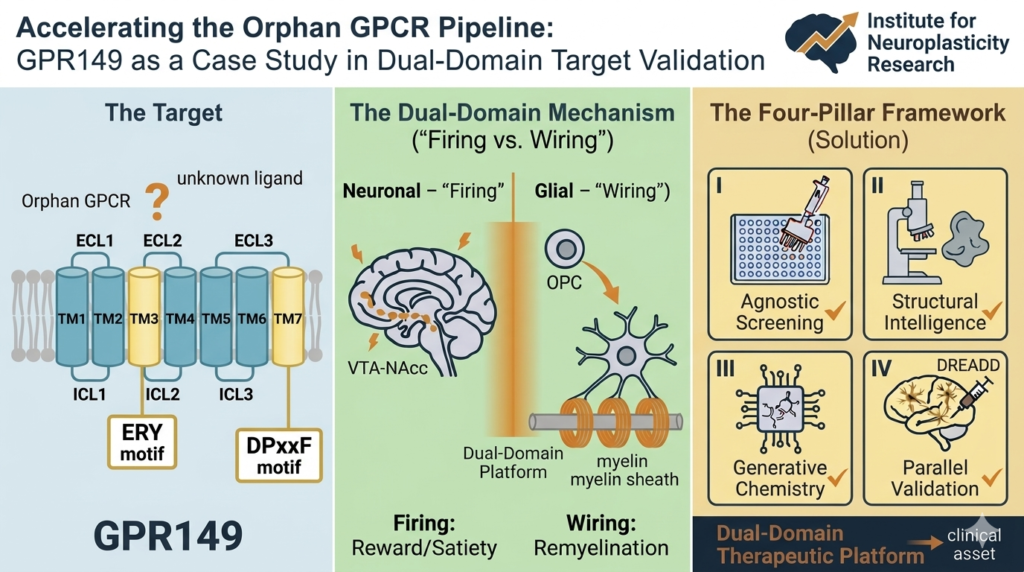
Accelerating the Orphan GPCR Pipeline: GPR149 as a Case Study in Dual-Domain Target Validation
https://doi.org/10.1016/j.drudis.2026.104678 Free download of the article using this link until June 16: https://authors.elsevier.com/a/1n0uP4r9Rkz1l6 Highlights New four-pillar framework accelerates deorphanization of dark GPCR targets. (77 chars) GPR149 structural analysis identifies non-canonical ERY and DPxxF motifs. (76 chars) Path-agnostic screening bypasses traditional Gi/o signaling limitations. (75 chars) Integrated CNS and metabolic mapping reveals GPR149′s dual-domain value. (76 chars) […]
In the 1950s, my physicist father met with Albert Einstein at the Institute for Advanced Study to discuss unified field theory.
In the 1950s, my physicist father, Eugene Guth, met with Albert Einstein at the Institute for Advanced Study to discuss unified field theory. Einstein, it turned out, was more interested in the philosophy of physics than the math, a topic equally of interest to my dad. See https://michaelguth.com/family/HistoryofPhysicsbyEugeneGuth.htm Mathematics and philosophy of physics have relevance […]

Authority, Long-term Reach, and “Save” Signals
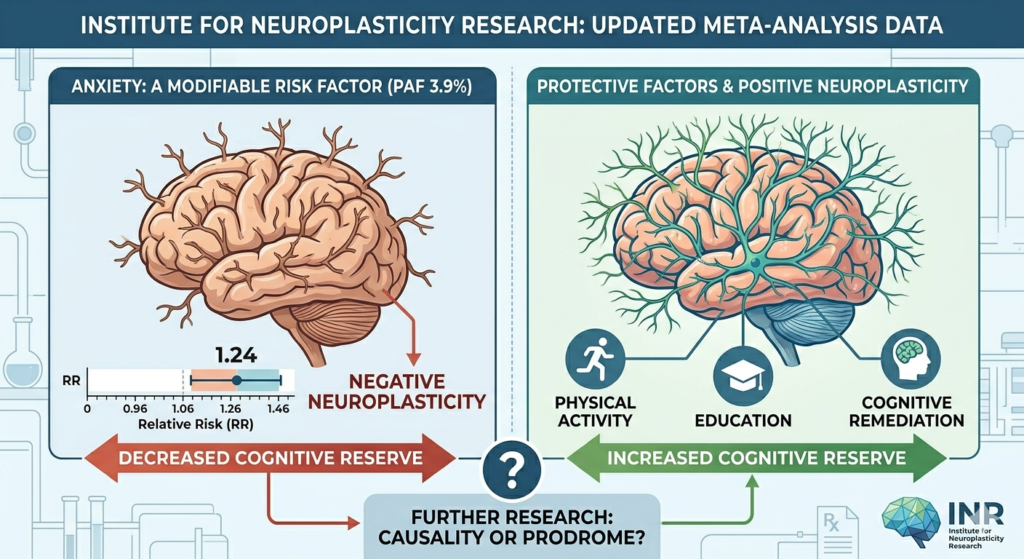
New evidence provides a stronger link between chronic anxiety and future neurocognitive decline, demanding a re-evaluation of how we approach dementia prevention in clinical practice. A major updated meta-analysis, now available in the Journal of Clinical Medicine, confirms that anxiety is significantly associated with an increased risk of all-cause dementia. This extensive study, spanning nine […]
𝐓𝐡𝐞 “𝐒𝐡𝐚𝐩𝐞” 𝐨𝐟 𝐈𝐧𝐧𝐨𝐯𝐚𝐭𝐢𝐨𝐧: 𝐖𝐡𝐲 𝐌𝐨𝐫𝐩𝐡𝐨𝐥𝐨𝐠𝐢𝐜𝐚𝐥 𝐌𝐚𝐫𝐤𝐞𝐫𝐬 𝐚𝐫𝐞 𝐭𝐡𝐞 𝐅𝐮𝐭𝐮𝐫𝐞 𝐨𝐟 𝐑𝐖𝐄 𝐢𝐧 𝐂𝐍𝐒
𝐇𝐞𝐚𝐝𝐥𝐢𝐧𝐞: 𝐓𝐡𝐞 “𝐒𝐡𝐚𝐩𝐞” 𝐨𝐟 𝐈𝐧𝐧𝐨𝐯𝐚𝐭𝐢𝐨𝐧: 𝐖𝐡𝐲 𝐌𝐨𝐫𝐩𝐡𝐨𝐥𝐨𝐠𝐢𝐜𝐚𝐥 𝐌𝐚𝐫𝐤𝐞𝐫𝐬 𝐚𝐫𝐞 𝐭𝐡𝐞 𝐅𝐮𝐭𝐮𝐫𝐞 𝐨𝐟 𝐑𝐖𝐄 𝐢𝐧 𝐂𝐍𝐒 In the high-stakes world of CNS drug discovery and Real-World Evidence (RWE), we’ve leaned on behavioral scales for too long. But in 2026, the data is clear: Morphological Biomarkers are the new gold standard. Recent advancements in Geometric Morphometrics prove […]

Beyond the BBB: Mapping the 2026 Milestone Year for Neuroscience
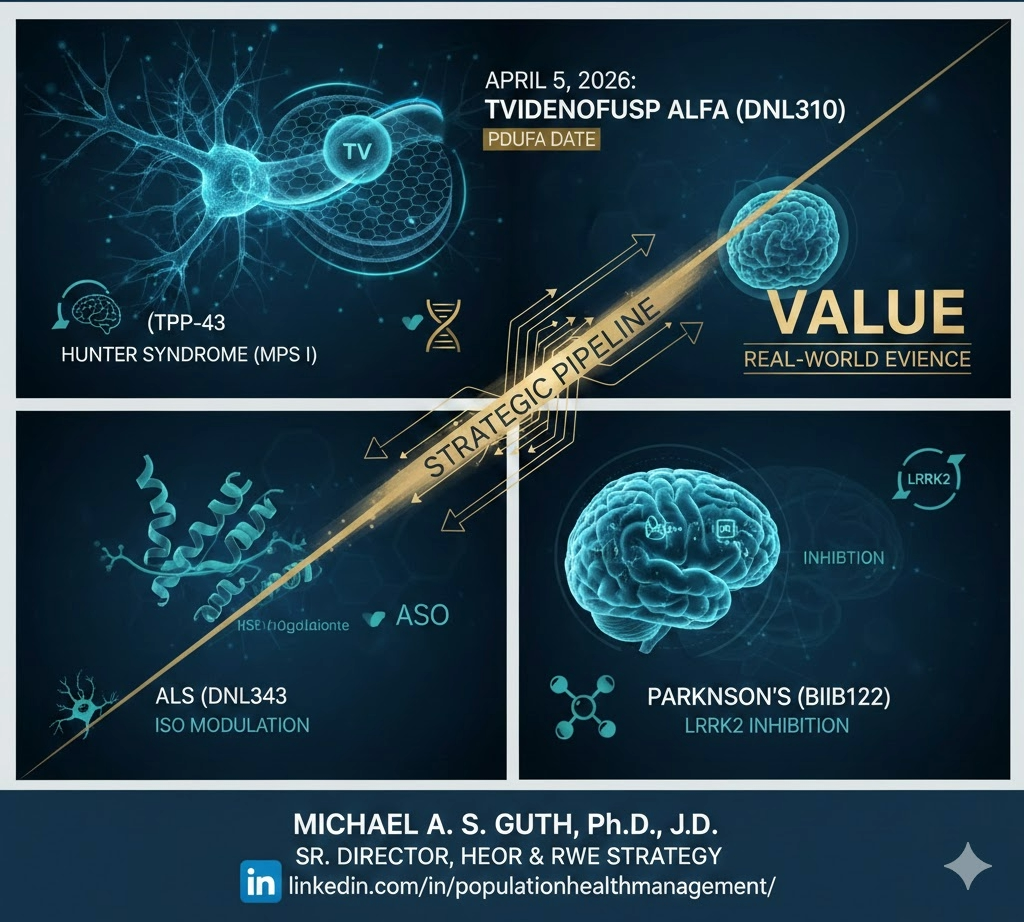
Beyond the BBB: Mapping the 2026 Milestone Year for Neuroscience. As we move through Q1, all eyes in the neuroscience community are on April 5, 2026—the PDUFA target action date for tividenofusp alfa (DNL310). If approved, tividenofusp alfa will be a watershed moment: the first commercial validation of a Transport Vehicle (TV) enabled enzyme replacement […]
Posted by Michael A. S. Guth on March 15th, 2025
Stem cell exhaustion is recognized as a hallmark of aging due to its critical role in impairing tissue regeneration and homeostasis. Here’s a structured explanation of the mechanisms and implications:
Key Mechanisms Leading to Stem Cell Exhaustion:
- Intrinsic Factors:
- Telomere Attrition: Stem cells have a finite replicative capacity (Hayflick limit). Telomere shortening with each division eventually triggers senescence or apoptosis, reducing the stem cell pool.
- DNA Damage Accumulation: Over time, DNA repair mechanisms become less efficient, leading to genomic instability. Damaged stem cells may undergo senescence or dysfunction.
- Epigenetic Alterations: Aging disrupts epigenetic regulation, silencing genes critical for self-renewal and pluripotency (e.g., Oct4, Nanak), impairing stem cell identity and function.
- Mitochondrial Dysfunction: Declining mitochondrial efficiency increases reactive oxygen species (ROS), causing oxidative stress that damages cellular components.
- Extrinsic Factors:
- Niche Deterioration: The stem cell microenvironment (niche) provides essential signals. Age-related changes in the niche, such as reduced growth factors or increased fibrosis, disrupt stem cell maintenance and activation.
- Chronic Inflammation (Inflammaging): Pro-inflammatory cytokines (e.g., TNF-α, IL-6) create a hostile environment, promoting stem cell senescence or apoptosis.
- Senescent Cell Accumulation: Senescent cells secrete harmful factors (SASP) that impair neighboring stem cells and their niches, exacerbating exhaustion.
- Functional Decline:
- Loss of Quiescence: Aging disrupts the balance between quiescence and activation. Stem cells may exit quiescence prematurely, leading to depletion, or fail to activate when needed.
- Impaired Autophagy: Reduced autophagy allows accumulation of damaged proteins/organelles, compromising stem cell fitness.
- Dysregulated Signaling Pathways: Pathways like Wnt, Notch, and TGF-β, which regulate self-renewal vs. differentiation, become imbalanced, favoring differentiation over stem cell maintenance.
Consequences of Stem Cell Exhaustion:
- Tissue Degeneration: Reduced regenerative capacity leads to age-related conditions like sarcopenia (muscle loss), osteoporosis (bone thinning), and neurodegeneration.
- Immune Decline: Hematopoietic stem cell (HSC) exhaustion results in anemia, reduced immune cell production, and increased infection risk.
- Delayed Repair: Slower wound healing and reduced recovery from injury due to diminished stem cell activity.
Interconnection with Other Hallmarks:
Stem cell exhaustion is intertwined with other aging hallmarks (e.g., genomic instability, cellular senescence), creating a vicious cycle. For example, senescent cells in the niche accelerate stem cell decline, while mitochondrial dysfunction exacerbates oxidative damage.
Therapeutic Implications:
Strategies to mitigate stem cell exhaustion include:
- Senolytics: Removing senescent cells to improve niche health.
- Telomerase Activation: Extending replicative capacity (caution required due to cancer risks).
- Epigenetic Reprogramming: Restoring youthful gene expression patterns.
- Anti-inflammatory Interventions: Reducing inflammaging to preserve stem cell function.
In summary, stem cell exhaustion is a central hallmark of aging because it directly undermines tissue renewal, driven by a confluence of intrinsic damage, environmental changes, and systemic aging processes. Addressing this exhaustion holds promise for enhancing healthspan and mitigating age-related diseases.
Posted by Michael A. S. Guth on March 11th, 2025
Enhancing Antibody Therapeutics Through Precision Glycoengineering
Antibody therapeutics, particularly monoclonal antibodies (mAbs), have revolutionized the treatment of various diseases, including cancer, autoimmune disorders, and infectious diseases. However, the efficacy of these therapeutics can be significantly influenced by their glycosylation patterns—the addition of sugar moieties to the antibody structure. Precision glycoengineering, the targeted modification of these glycosylation patterns, offers a powerful approach to enhance the therapeutic properties of antibodies. Here’s how precision glycoengineering is being utilized to improve antibody therapeutics:
1. Enhancing Antibody-Dependent Cellular Cytotoxicity (ADCC)
- Mechanism: ADCC is a critical mechanism by which antibodies kill target cells, such as cancer cells. It involves the binding of the antibody’s Fc region to Fcγ receptors on immune cells like natural killer (NK) cells.
- Glycoengineering: By modifying the glycosylation pattern at the Asn297 site in the Fc region, particularly by reducing fucose content, the affinity of the antibody for FcγRIIIa (a key receptor on NK cells) can be significantly increased. This enhances ADCC activity.
- Example: The antibody Obinutuzumab (used in chronic lymphocytic leukemia) is glycoengineered to have low fucose content, resulting in enhanced ADCC compared to its non-engineered counterpart, Rituximab.
2. Improving Complement-Dependent Cytotoxicity (CDC)
- Mechanism: CDC involves the activation of the complement system, leading to the formation of the membrane attack complex (MAC) that lyses target cells.
- Glycoengineering: Specific glycoforms can be engineered to enhance the binding of C1q, the first component of the complement cascade, to the antibody’s Fc region. This can be achieved by optimizing the glycan structure to increase the antibody’s ability to recruit and activate complement proteins.
- Example: Glycoengineered antibodies with optimized sialylation patterns have shown improved CDC activity in preclinical models.
3. Modulating Antibody Half-Life
- Mechanism: The half-life of antibodies in the bloodstream is influenced by their interaction with the neonatal Fc receptor (FcRn), which protects antibodies from degradation.
- Glycoengineering: Glycosylation can be engineered to enhance the binding affinity of antibodies to FcRn, thereby prolonging their half-life. This is particularly useful for reducing the frequency of dosing in chronic conditions.
- Example: Glycoengineered antibodies with increased sialylation have demonstrated extended serum half-lives in preclinical studies.
4. Reducing Immunogenicity
- Mechanism: Non-human glycosylation patterns in therapeutic antibodies can trigger immune responses, leading to the production of anti-drug antibodies (ADAs) that neutralize the therapeutic.
- Glycoengineering: By humanizing the glycosylation patterns of therapeutic antibodies, the risk of immunogenicity can be reduced. This involves engineering cells to produce antibodies with human-like glycan structures.
- Example: Glycoengineered antibodies produced in human cell lines or glycoengineered yeast strains (e.g., GlycoFi) have shown reduced immunogenicity in clinical trials.
5. Enhancing Stability and Solubility
- Mechanism: Glycosylation can influence the physical properties of antibodies, including their stability and solubility, which are critical for formulation and delivery.
- Glycoengineering: By optimizing glycan structures, antibodies can be made more stable under physiological conditions, reducing aggregation and improving shelf-life.
- Example: Glycoengineered antibodies with specific glycan profiles have demonstrated improved stability in liquid formulations, reducing the need for lyophilization.
6. Targeting Specific Tissues or Cells
- Mechanism: Glycosylation can influence the biodistribution of antibodies, directing them to specific tissues or cell types.
- Glycoengineering: By modifying glycan structures, antibodies can be engineered to have enhanced affinity for specific lectins or receptors expressed on target cells, improving their targeting efficiency.
- Example: Glycoengineered antibodies with high mannose glycans have shown increased uptake by macrophages, which can be beneficial for targeting diseases like rheumatoid arthritis.
7. Combining Glycoengineering with Other Modalities
- Mechanism: Glycoengineering can be combined with other antibody engineering strategies, such as Fc mutations or conjugation to drugs or radionuclides, to create multifunctional therapeutics.
- Glycoengineering: For example, glycoengineered antibodies with enhanced ADCC can be conjugated to cytotoxic drugs to create antibody-drug conjugates (ADCs) with improved efficacy.
- Example: Glycoengineered ADCs are being explored in oncology for their potential to deliver potent cytotoxic agents directly to cancer cells while minimizing off-target effects.
Technological Advances in Glycoengineering
- Cell Line Engineering: Advances in genetic engineering have enabled the creation of cell lines (e.g., CHO cells) that produce antibodies with specific glycan profiles. Techniques like CRISPR/Cas9 are used to knock out or knock in genes involved in glycosylation pathways.
- Chemoenzymatic Glycosylation: This approach involves the use of enzymes to modify glycans on antibodies in vitro, allowing for precise control over glycan structures.
- Synthetic Biology: Synthetic biology approaches are being used to design and produce novel glycan structures that can be incorporated into antibodies to enhance their therapeutic properties.
Challenges and Future Directions
- Complexity of Glycosylation: Glycosylation is a highly complex and heterogeneous process, making it challenging to consistently produce antibodies with uniform glycan structures.
- Regulatory Considerations: Regulatory agencies require detailed characterization of glycan profiles, which can be technically challenging and time-consuming.
- Future Directions: Future research is focused on developing more precise glycoengineering tools, understanding the impact of specific glycan structures on antibody function, and translating these findings into clinically effective therapeutics.
Conclusion
Precision glycoengineering represents a promising frontier in the development of next-generation antibody therapeutics. By fine-tuning the glycosylation patterns of antibodies, it is possible to enhance their efficacy, stability, and safety, ultimately improving patient outcomes. As our understanding of glycosylation biology and engineering technologies continues to advance, we can expect to see even more innovative and effective antibody-based therapies in the future.
Posted by Michael A. S. Guth on March 6th, 2025
Aligning quality improvement (QI) measures with the CDC’s 2022 Clinical Practice Guidelines for Prescribing Opioids requires a structured approach to ensure evidence-based practices are implemented effectively. Below is a step-by-step guide to acquiring clinical evidence and providing clinical leadership in this area:
1. Understand the CDC 2022 Opioid Prescribing Guidelines
- Key Recommendations: Familiarize yourself with the 12 core recommendations, which emphasize:
- Non-opioid therapies as preferred for acute, subacute, and chronic pain.
- Careful opioid dosing, duration, and risk assessment.
- Use of immediate-release opioids over extended-release/long-acting opioids.
- Avoiding concurrent opioid and benzodiazepine prescribing.
- Regular monitoring and risk mitigation strategies.
- Flexibility: The guidelines are not prescriptive but provide a framework for individualized patient care.
2. Establish a Multidisciplinary QI Team
- Team Composition: Include clinicians, pharmacists, nurses, QI specialists, and data analysts.
- Leadership Role: Clinicians should lead by advocating for evidence-based practices and fostering a culture of continuous improvement.
- Stakeholder Engagement: Involve patients, payers, and public health experts to ensure alignment with community needs.
3. Identify Gaps in Current Practices
- Baseline Assessment: Conduct a gap analysis to compare current opioid prescribing practices with the CDC guidelines.
- Use electronic health record (EHR) data to assess prescribing patterns, patient outcomes, and adherence to guidelines.
- Identify areas of overprescribing, underprescribing, or inappropriate prescribing.
- Patient Outcomes: Evaluate metrics such as opioid-related adverse events, overdose rates, and patient satisfaction.
4. Develop QI Measures Aligned with CDC Guidelines
- Process Measures:
- Percentage of patients receiving non-opioid therapies as first-line treatment.
- Percentage of patients assessed for opioid risks (e.g., using validated tools like the Opioid Risk Tool).
- Percentage of patients receiving naloxone co-prescribing when indicated.
- Outcome Measures:
- Reduction in high-dose opioid prescribing (>50 MME/day).
- Reduction in concurrent opioid and benzodiazepine prescribing.
- Decrease in opioid-related emergency department visits or hospitalizations.
- Balancing Measures:
- Ensure patients with legitimate pain needs are not undertreated.
- Monitor patient-reported pain scores and functional outcomes.
5. Acquire Clinical Evidence to Support QI Initiatives
- Literature Review: Conduct a systematic review of recent studies on opioid prescribing, non-opioid alternatives, and risk mitigation strategies.
- Local Data Collection:
- Use EHR data to track prescribing patterns and patient outcomes.
- Implement surveys or focus groups to gather patient and provider perspectives.
- Benchmarking: Compare your organization’s performance with national or regional benchmarks.
- Pilot Studies: Test interventions (e.g., clinician education, EHR alerts) on a small scale before full implementation.
6. Implement Evidence-Based Interventions
- Clinician Education: Train providers on the CDC guidelines and non-opioid pain management strategies.
- Clinical Decision Support: Integrate guideline-based recommendations into EHR systems (e.g., alerts for high-dose prescribing).
- Patient Education: Provide resources on safe opioid use, risks, and alternatives.
- Policy Changes: Update organizational policies to reflect CDC recommendations (e.g., limits on initial opioid prescriptions for acute pain).
7. Monitor and Evaluate QI Measures
- Data Collection: Continuously track process and outcome measures using EHR data and patient registries.
- Feedback Loops: Provide regular feedback to clinicians on their performance relative to QI measures.
- Adjust Interventions: Refine strategies based on data and stakeholder input.
8. Disseminate Findings and Promote Best Practices
- Internal Reporting: Share QI results with leadership and staff to sustain momentum.
- External Sharing: Publish findings in peer-reviewed journals or present at conferences to contribute to the broader evidence base.
- Collaboration: Partner with other organizations or public health agencies to spread successful interventions.
9. Sustain Improvements
- Ongoing Training: Regularly update clinicians on new evidence or guideline revisions.
- Culture of Safety: Foster a culture that prioritizes patient safety and evidence-based care.
- Policy Advocacy: Advocate for policies that support guideline-concordant opioid prescribing at the state and national levels.
10. Address Challenges and Barriers
- Clinician Resistance: Address concerns about increased workload or perceived limitations on clinical autonomy.
- Patient Expectations: Manage patient expectations around pain management and opioid use.
- Resource Limitations: Secure funding and resources for QI initiatives, including EHR optimization and staff training.
By following these steps, healthcare organizations can align their QI measures with the CDC’s 2022 opioid prescribing guidelines, improve patient outcomes, and reduce opioid-related harms. Clinical leadership is critical to driving these changes and ensuring sustained improvements in care delivery.
Posted by Michael A. S. Guth on March 5th, 2025
Ocugen’s lead product is OCU400, a gene therapy that treats retinitis pigmentosa (RP) and Leber congenital amaurosis. OCU400 is a modifier gene therapy that aims to improve vision by resetting the retina’s gene network.
- OCU400 delivers a functional copy of the NR2E3 gene to the retina.
- NR2E3 regulates functions like photoreceptor development, metabolism, and inflammation.
- OCU400 resets the retina’s gene network to reestablish homeostasis.
- This can potentially stabilize cells and rescue photoreceptor degeneration.
Clinical trials
- The FDA cleared Ocugen to initiate a Phase 3 clinical trial of OCU400 in April 2024.
- The FDA also approved an expanded access program (EAP) for OCU400 to treat adult patients with RP.
To submit a Biologics License Application (BLA) for OCU400, Ocugen must provide comprehensive data and information to the FDA to demonstrate the safety, efficacy, and quality of the gene therapy. Below is an outline of the key information typically required in a BLA for a gene therapy like OCU400:
1. Nonclinical Data
- Mechanism of Action (MOA): Detailed explanation of how OCU400 works, including the role of NR2E3 in regulating photoreceptor development, metabolism, and inflammation, and how the therapy resets the retina’s gene network.
- Pharmacology Studies: Data from in vitro and in vivo studies demonstrating the biological activity of OCU400.
- Toxicology Studies: Results from animal studies assessing the safety profile of OCU400, including dose-ranging studies, potential off-target effects, and long-term safety.
- Biodistribution Studies: Information on how OCU400 is distributed in the body, particularly in the retina, and whether it affects other tissues or organs.
2. Clinical Data
- Phase 1/2 Clinical Trial Results: Data from early-stage trials demonstrating preliminary safety, tolerability, and efficacy in patients with retinitis pigmentosa (RP) and Leber congenital amaurosis (LCA).
- Phase 3 Clinical Trial Results: Comprehensive data from the ongoing Phase 3 trial, including:
- Primary and secondary endpoints (e.g., improvements in visual function, stabilization of photoreceptor degeneration).
- Safety and adverse event profiles.
- Long-term follow-up data to assess durability of treatment effect and delayed adverse events.
- Expanded Access Program (EAP) Data: If available, real-world data from patients treated under the EAP can supplement clinical trial findings.
- Patient Population: Demographics, genetic subtypes, and disease severity of enrolled patients to support the therapy’s applicability to a broader population.
3. Chemistry, Manufacturing, and Controls (CMC)
- Manufacturing Process: Detailed description of the production process for OCU400, including vector design, cell culture, purification, and formulation.
- Quality Control: Specifications and testing methods to ensure the consistency, purity, potency, and stability of the product.
- Vector Characterization: Comprehensive analysis of the viral vector used to deliver the NR2E3 gene, including its genetic stability, titer, and potential for replication-competent viruses.
- Storage and Handling: Information on storage conditions, shelf life, and handling requirements for OCU400.
4. Labeling and Packaging
- Proposed Labeling: Draft package insert with indications, dosage, administration instructions, contraindications, warnings, and precautions.
- Packaging Design: Description of the packaging and container closure system to ensure product integrity.
5. Risk Evaluation and Mitigation Strategies (REMS)
- Safety Monitoring Plan: Proposals for post-marketing surveillance, including long-term follow-up of patients to monitor for delayed adverse events.
- Patient Registry: If applicable, plans for establishing a registry to track patient outcomes and safety over time.
6. Statistical Analysis
- Trial Design and Analysis: Detailed statistical methods used in clinical trials, including sample size calculations, primary and secondary endpoint analyses, and handling of missing data.
- Subgroup Analyses: Data on specific patient subgroups (e.g., different genetic mutations or disease stages) to support broader labeling claims.
7. Regulatory and Administrative Information
- Previous Interactions with FDA: Summaries of meetings, correspondence, and feedback from the FDA during the development process.
- Orphan Drug Designation: Documentation of OCU400’s orphan drug status for RP and LCA, if applicable.
- Pediatric Study Plans: If required, plans for studying OCU400 in pediatric populations.
8. Other Relevant Information
- Comparability Data: If changes were made to the manufacturing process during development, data demonstrating comparability between the pre- and post-change product.
- Immunogenicity Data: Assessment of potential immune responses to the viral vector or transgene product.
9. Post-Marketing Commitments
- Phase 4 Studies: Proposals for additional studies to further evaluate long-term safety and efficacy after approval.
- Real-World Evidence (RWE): Plans to collect and analyze real-world data to support ongoing benefit-risk assessments.
By providing this comprehensive information, Ocugen can seek FDA approval for OCU400 as a safe and effective treatment for retinitis pigmentosa and Leber congenital amaurosis. The BLA will be reviewed by the FDA to determine whether the benefits of the therapy outweigh its risks and whether it meets the standards for approval.
Posted by Michael A. S. Guth on March 5th, 2025
Yes, nitrosamine impurities have been a significant and hot topic in the pharmaceutical industry and regulatory circles in recent years. Nitrosamines are a class of chemical compounds that can be potentially carcinogenic, and their presence in pharmaceutical products has raised serious safety concerns.
Key Points of Concern:
- Regulatory Focus: Regulatory agencies such as the U.S. Food and Drug Administration (FDA), European Medicines Agency (EMA), and others have intensified their scrutiny of nitrosamine impurities in drugs. This is due to their potential to cause cancer even at very low levels of exposure.
- Widespread Recalls: Several high-profile cases of nitrosamine contamination have led to recalls of widely used medications, including certain batches of angiotensin II receptor blockers (ARBs) like valsartan, and even over-the-counter drugs like ranitidine (Zantac).
- Root Causes: Nitrosamines can form during the manufacturing process, often due to the interaction of certain reagents or solvents under specific conditions. They can also arise from degradation of the drug substance or impurities in raw materials.
- Analytical Challenges: Detecting and quantifying nitrosamines at very low levels (parts per billion or even parts per trillion) requires advanced analytical techniques, which has been a challenge for both manufacturers and regulators.
- Global Impact: The issue has had a global impact, with regulatory agencies worldwide issuing guidelines and requiring manufacturers to assess and mitigate the risk of nitrosamine contamination in their products.
Regulatory Responses:
- Guidelines and Limits: Regulatory bodies have established strict limits for nitrosamine impurities in pharmaceuticals. For example, the FDA has set interim limits for certain nitrosamines in ARBs.
- Risk Assessments: Manufacturers are required to conduct thorough risk assessments of their manufacturing processes to identify potential sources of nitrosamine formation.
- Testing Requirements: Enhanced testing protocols have been mandated to ensure that nitrosamine levels are within acceptable limits.
Industry Actions:
- Process Optimization: Pharmaceutical companies are revising their manufacturing processes to eliminate or minimize the risk of nitrosamine formation.
- Supply Chain Management: Greater scrutiny is being placed on raw materials and suppliers to ensure they do not contribute to nitrosamine contamination.
- Research and Development: Ongoing research is focused on understanding the mechanisms of nitrosamine formation and developing more robust analytical methods for detection.
Conclusion:
Nitrosamine impurities remain a hot topic due to their potential health risks and the ongoing efforts by regulators and the pharmaceutical industry to address this issue. The focus is on ensuring the safety of medications while maintaining their availability to patients. This topic is likely to remain relevant as new cases of contamination are discovered and as regulatory standards continue to evolve.
Posted by Michael A. S. Guth on March 4th, 2025
The future of cannabinoid therapy, particularly in the context of targeted mitochondrial activation, is an emerging and promising area of research. Cannabinoids, the active compounds found in cannabis, have been shown to interact with the endocannabinoid system (ECS) and other cellular pathways, influencing various physiological processes. Mitochondria, often referred to as the powerhouses of the cell, play a crucial role in energy production, cellular signaling, and apoptosis (programmed cell death). Here are some key points and potential directions for the future of cannabinoid therapy focused on mitochondrial activation:
1. Mitochondrial Function and Cannabinoids
- Energy Metabolism: Cannabinoids like CBD (cannabidiol) and THC (tetrahydrocannabinol) have been shown to influence mitochondrial function. CBD, in particular, has been reported to enhance mitochondrial activity and promote cellular energy production.
- Antioxidant Properties: Cannabinoids exhibit antioxidant properties, which can help mitigate oxidative stress—a key factor in mitochondrial dysfunction. By reducing oxidative damage, cannabinoids may help maintain mitochondrial integrity and function.
2. Neuroprotection and Neurodegenerative Diseases
- Neurodegenerative Disorders: Conditions such as Alzheimer’s disease, Parkinson’s disease, and amyotrophic lateral sclerosis (ALS) are associated with mitochondrial dysfunction. Cannabinoids have shown potential in preclinical studies to protect neurons by enhancing mitochondrial function and reducing oxidative stress.
- Anti-inflammatory Effects: Chronic inflammation is a common feature of neurodegenerative diseases. Cannabinoids can modulate inflammatory responses, potentially protecting mitochondria from inflammation-induced damage.
3. Cancer Therapy
- Apoptosis Induction: Some cannabinoids have been found to induce apoptosis in cancer cells by targeting mitochondrial pathways. This could lead to the development of cannabinoid-based therapies that selectively induce cancer cell death while sparing healthy cells.
- Mitochondrial Membrane Potential: Cannabinoids can alter the mitochondrial membrane potential, leading to the release of pro-apoptotic factors and subsequent cell death in cancer cells.
4. Metabolic Disorders
- Obesity and Diabetes: Mitochondrial dysfunction is implicated in metabolic disorders such as obesity and type 2 diabetes. Cannabinoids may help improve mitochondrial function and insulin sensitivity, offering a potential therapeutic avenue for these conditions.
- Lipid Metabolism: The ECS plays a role in lipid metabolism, and cannabinoids can influence lipid accumulation and mitochondrial biogenesis, which are critical for metabolic health.
5. Cardiovascular Health
- Cardioprotection: Cannabinoids have been shown to have cardioprotective effects, partly through their actions on mitochondria. By enhancing mitochondrial function and reducing oxidative stress, cannabinoids may help protect against ischemic heart disease and other cardiovascular conditions.
6. Targeted Delivery Systems
- Nanotechnology: Advances in nanotechnology could enable the targeted delivery of cannabinoids to specific tissues or cells, enhancing their therapeutic effects on mitochondria while minimizing side effects.
- Mitochondrial Targeting: Developing cannabinoid derivatives or conjugates that specifically target mitochondrial membranes could improve the efficacy and precision of cannabinoid therapy.
7. Personalized Medicine
- Genetic and Epigenetic Factors: Understanding the genetic and epigenetic factors that influence individual responses to cannabinoids could lead to personalized cannabinoid therapies tailored to optimize mitochondrial function based on a person’s unique genetic makeup.
8. Regulatory and Ethical Considerations
- Clinical Trials: Rigorous clinical trials are needed to establish the safety and efficacy of cannabinoid therapies targeting mitochondrial function. Regulatory frameworks will need to adapt to accommodate these new therapeutic approaches.
- Ethical Implications: As with any emerging therapy, ethical considerations regarding access, equity, and potential misuse must be addressed.
Conclusion
The future of cannabinoid therapy focused on targeted mitochondrial activation holds significant promise for treating a wide range of diseases, from neurodegenerative disorders to cancer and metabolic conditions. However, much research is still needed to fully understand the mechanisms involved and to develop safe, effective, and targeted therapies. As the field advances, interdisciplinary collaboration between researchers, clinicians, and policymakers will be essential to realize the full potential of cannabinoid-based mitochondrial therapies.
Posted by Michael A. S. Guth on March 4th, 2025
For a newly approved biologic therapy for leukemia, the wording of the U.S. Prescribing Information (USPI) is critical to ensure clarity, accuracy, and compliance with FDA regulations while effectively communicating essential information to healthcare providers. Here are key strategies for the biologic manufacturer:
1. Adhere to FDA Format and Content Requirements:
- Follow the FDA’s Physician Labeling Rule (PLR) format, which includes:
- Highlights of Prescribing Information: A concise summary of key information.
- Full Prescribing Information: Detailed sections such as Indications and Usage, Dosage and Administration, Contraindications, Warnings and Precautions, Adverse Reactions, Drug Interactions, and Use in Specific Populations.
- Ensure the content aligns with the approved labeling from the FDA.
2. Clear and Concise Language:
- Use plain language to ensure readability and comprehension by healthcare providers.
- Avoid overly technical jargon unless necessary, and define any specialized terms.
3. Accurate and Evidence-Based Information:
- Base all statements on clinical trial data and FDA-approved indications.
- Clearly differentiate between approved uses and off-label uses (if mentioned).
4. Highlight Key Safety Information:
- Prominently display Boxed Warnings (if applicable) in the Highlights section.
- Clearly outline Warnings and Precautions, including serious risks, adverse reactions, and monitoring requirements.
- Provide specific guidance on managing risks (e.g., dose adjustments, contraindications).
5. Dosage and Administration Guidance:
- Provide clear, step-by-step instructions for dosing, including:
- Recommended dosage for different patient populations (e.g., adults, pediatric patients).
- Adjustments for renal/hepatic impairment or other comorbidities.
- Administration instructions (e.g., infusion rate, preparation guidelines).
- Include information on handling, storage, and disposal.
6. Patient Monitoring and Management:
- Specify any required monitoring (e.g., lab tests, imaging) to assess efficacy or safety.
- Provide guidance on managing adverse events or complications.
7. Special Populations:
- Include detailed information on use in specific populations, such as:
- Pregnant or breastfeeding women.
- Pediatric or geriatric patients.
- Patients with renal or hepatic impairment.
8. Drug Interactions:
- List potential interactions with other medications, including biologics, chemotherapy agents, or supportive care drugs.
- Provide recommendations for managing or avoiding interactions.
9. Clinical Trial Data:
- Summarize key efficacy and safety data from pivotal clinical trials in the Clinical Studies section.
- Use tables, graphs, or figures to present data clearly.
10. Patient Counseling Information:
- Include a section to guide healthcare providers on counseling patients about:
- Benefits and risks of the therapy.
- Administration process.
- Signs of adverse reactions and when to seek medical attention.
11. Consistency with Promotional Materials:
- Ensure the USPI aligns with all promotional and educational materials to avoid misleading claims or inconsistencies.
12. Regular Updates:
- Commit to updating the USPI as new safety or efficacy data emerge, in compliance with FDA post-marketing requirements.
13. Engage FDA Early:
- Collaborate with the FDA during the labeling review process to address any concerns and ensure alignment with regulatory expectations.
By focusing on these strategies, the biologic manufacturer can create a USPI that is informative, compliant, and supportive of safe and effective use of the therapy by healthcare providers.
Posted by Michael A. S. Guth on March 4th, 2025
For a medical device manufacturer to self-certify EU conformity for a Class I cannabis oil vaporizer, the following documents must be prepared and made available to demonstrate compliance with the Medical Devices Regulation (MDR) 2017/745:
- Technical Documentation:
- A comprehensive set of documents that demonstrate the device’s design, manufacture, and performance, including:
- Device description and specifications.
- Intended purpose and indications for use.
- Design drawings, diagrams, and schematics.
- Manufacturing processes and quality control measures.
- Risk management documentation (ISO 14971 compliance).
- Software validation (if applicable).
- Biocompatibility testing (if the device comes into contact with the body).
- Performance testing and verification (e.g., safety, functionality, and usability).
- Declaration of Conformity (DoC):
- A signed document declaring that the device complies with the MDR and any other applicable EU legislation.
- Unique Device Identification (UDI):
- Implementation of the UDI system, including the assignment of a UDI-DI and UDI-PI to the device.
- Labeling and Instructions for Use (IFU):
- Labels and IFU must comply with MDR requirements, including:
- Device identification.
- Manufacturer details.
- Intended use.
- Safety information.
- CE marking.
- Clinical Evaluation Report (CER):
- A report demonstrating the device’s clinical safety and performance, based on a review of relevant clinical data.
- Post-Market Surveillance (PMS):
- A PMS plan and system to monitor the device’s performance and safety after it is placed on the market.
- Periodic Safety Update Reports (PSURs) for Class I devices (if required).
- Quality Management System (QMS):
- Evidence of a QMS in place, compliant with ISO 13485 or equivalent, covering design, production, and post-market activities.
- CE Marking:
- Affix the CE mark to the device, packaging, and IFU to indicate compliance with the MDR.
- Person Responsible for Regulatory Compliance (PRRC):
- Documentation identifying the PRRC within the organization, as required by the MDR.
- Registration with EUDAMED:
- Register the device and manufacturer in the European Database on Medical Devices (EUDAMED) once it is fully operational.
- Harmonized Standards:
- List of harmonized standards applied to demonstrate compliance with the MDR (e.g., EN ISO 10993 for biocompatibility).
- Vaporizer-Specific Requirements:
- If the cannabis oil vaporizer has specific regulatory requirements (e.g., related to emissions or materials), ensure compliance with relevant standards and regulations.
These documents must be kept up to date and made available to competent authorities upon request. Note that while Class I devices generally do not require involvement from a Notified Body, certain Class I devices with higher risks (e.g., sterile or measuring function) may require Notified Body intervention. Ensure the device is correctly classified under the MDR.
Posted by Michael A. S. Guth on March 3rd, 2025
A 510(k) submission to the U.S. Food and Drug Administration (FDA) is a premarket notification required for demonstrating that a medical device is substantially equivalent to a legally marketed predicate device. The submission must be well-organized and comprehensive. Below is a typical Table of Contents (ToC) structure for a 510(k) application, including sections and subsections:
1. Cover Letter
- Applicant information
- Device name and intended use
- Predicate device information
- Statement of substantial equivalence
- Signature of the submitter
2. FDA Form 3514
- Completed and signed FDA Form 3514 (510(k) Submission Form)
3. Table of Contents
- Detailed list of all sections and subsections with page numbers
4. Executive Summary
- Brief overview of the device and its intended use
- Summary of technological characteristics
- Comparison to the predicate device
- Conclusion of substantial equivalence
5. Device Description
- Device Name and Model Number(s)
- Intended Use and Indications for Use
- Device Classification
- Regulatory History (if applicable)
- Technical Specifications
- Materials
- Dimensions
- Design features
- Labeling
- Device labels
- Instructions for Use (IFU)
- Packaging labels
- Sterilization and Shelf Life (if applicable)
- Software Description (if applicable)
6. Substantial Equivalence Discussion
- Predicate Device Identification
- Predicate device name and 510(k) number
- Predicate device intended use
- Comparison to Predicate Device
- Technological characteristics
- Performance data
- Materials
- Design
- Conclusion of Substantial Equivalence
7. Performance Testing
- Biocompatibility Testing (per ISO 10993)
- Electrical Safety and Electromagnetic Compatibility (EMC) (per IEC 60601 series, if applicable)
- Software Validation (per IEC 62304, if applicable)
- Mechanical Testing
- Sterilization Validation (if applicable)
- Shelf Life and Packaging Validation (if applicable)
- Clinical Data (if applicable)
8. Labeling
- Device Labels
- Instructions for Use (IFU)
- Packaging Labels
- Promotional Materials (if applicable)
9. Risk Analysis
- Risk Management File (per ISO 14971)
- Hazard Analysis
- Risk Control Measures
- Residual Risk Assessment
10. Biocompatibility
- Summary of biocompatibility testing
- Compliance with ISO 10993 standards
11. Sterilization and Shelf Life (if applicable)
- Sterilization method and validation
- Shelf life testing and results
12. Software Documentation (if applicable)
- Software Description
- Software Development Process (per IEC 62304)
- Software Risk Management
- Software Verification and Validation
13. Clinical Data (if applicable)
- Summary of clinical studies
- Literature review
- Clinical evaluation report
14. Appendices
- Test Reports
- Engineering Drawings
- Risk Management File
- Additional Supporting Documentation
15. Truthful and Accurate Statement
- Declaration that the information provided is truthful and accurate
16. Financial Certification or Disclosure Statement (if applicable)
- FDA Form 3654 (Financial Certification or Disclosure Statement)
17. Indications for Use Statement
- FDA Form 3881 (Indications for Use Statement)
18. Additional Information (if applicable)
- Any other relevant information requested by the FDA
Notes:
- The structure and content of a 510(k) submission may vary depending on the type of device and its complexity.
- The FDA provides a 510(k) Refuse to Accept (RTA) Checklist to ensure all required sections are included before submission.
- It is highly recommended to consult the FDA’s 510(k) Program Guidance Documents and work with regulatory experts to ensure compliance.
This structure ensures that the FDA can efficiently review the submission and determine substantial equivalence to a predicate device.
Posted by Michael A. S. Guth on February 18th, 2025
From Google AI:
To develop a first quality management system (QMS) as a cleaning service, you should start by clearly defining your quality standards, establishing customer-focused expectations, documenting cleaning procedures, training staff thoroughly on these standards, implementing regular quality checks through inspections and client feedback, and continuously monitor and improve processes based on feedback to maintain high quality service delivery; this can often involve utilizing a framework like ISO 9001 as a guideline.
Key steps to build a cleaning service QMS:
-
Identify customer needs and expectations:
Conduct surveys or meetings with clients to understand their specific cleaning requirements and priorities.
-
Develop quality standards:
Create detailed cleaning checklists outlining specific tasks, areas to focus on, and acceptable cleanliness levels for different environments.
-
Establish a quality policy:
Write a formal statement outlining the company’s commitment to providing high-quality cleaning services and continuous improvement.
-
Staff training and education:
Train all cleaning staff on proper cleaning techniques, chemical safety, quality standards, and the use of cleaning equipment.
-
Implement quality checks and inspections:
Regularly conduct site inspections to verify adherence to cleaning standards, including random checks and documented feedback.
-
Client feedback mechanism:
Establish a system for collecting client feedback through surveys, direct feedback, or complaint logs to identify areas for improvement.
-
Documentation and recordkeeping:
Maintain detailed records of cleaning activities, inspections, staff training, and client feedback to track performance and identify trends.
Continuous improvement process:
Regularly review quality data, identify areas for improvement, and implement corrective actions to enhance cleaning services.
Consider using a recognized quality management framework:
- ISO 9001: This widely used standard provides a structured approach to quality management, including requirements for documentation, process control, and continuous improvement.
Important aspects to focus on:
-
Leadership commitment:
Ensure management actively supports the quality management system and promotes a culture of quality.
-
Communication:
Clearly communicate quality standards and expectations to all staff members.
-
Employee engagement:
Encourage staff to participate in quality improvement initiatives and provide feedback.
-
Data analysis:
Utilize data from inspections and feedback to make informed decisions about process improvements.
From DeepSeek AI:
Developing a Quality Management System (QMS) for a cleaning service is essential to ensure consistent service delivery, customer satisfaction, and operational efficiency. Here’s a step-by-step guide to creating your first QMS:
1. Define Your Objectives
- Purpose: Clearly outline why you need a QMS (e.g., improve service quality, meet customer expectations, comply with regulations).
- Goals: Set measurable goals, such as reducing customer complaints, improving response times, or achieving industry certifications (e.g., ISO 9001).
2. Understand Customer Requirements
- Identify what your customers value most (e.g., cleanliness, punctuality, professionalism).
- Gather feedback through surveys, reviews, or direct communication to understand expectations and areas for improvement.
3. Document Processes and Standards
- Standard Operating Procedures (SOPs): Create detailed step-by-step instructions for all cleaning tasks (e.g., office cleaning, carpet cleaning, window washing).
- Checklists: Develop checklists for each service to ensure consistency and completeness.
- Quality Standards: Define what “quality” means for your services (e.g., no visible dust, sanitized surfaces, no streaks on windows).
4. Train Your Team
- Provide comprehensive training on SOPs, safety protocols, and customer service.
- Emphasize the importance of quality and how their work impacts customer satisfaction.
- Conduct regular refresher training to maintain high standards.
5. Implement Monitoring and Inspection
- Supervisory Checks: Have supervisors or team leaders inspect completed work to ensure it meets quality standards.
- Customer Feedback: Use customer feedback as a key metric for quality.
- Mystery Shopping: Hire third-party evaluators to assess service quality anonymously.
6. Establish Key Performance Indicators (KPIs)
- Track metrics such as:
- Customer satisfaction scores
- Number of complaints/resolution time
- Completion rates (on-time, within budget)
- Employee performance and adherence to SOPs
7. Create a Feedback Loop
- Regularly review customer feedback, inspection results, and KPIs.
- Use this data to identify trends, areas for improvement, and training needs.
- Communicate findings and updates to your team.
8. Develop a Corrective Action Process
- Address issues promptly when quality standards are not met.
- Document problems, root causes, and actions taken to prevent recurrence.
- Use this process to continuously improve your services.
9. Consider Certification (Optional)
- If you want to formalize your QMS, consider pursuing certifications like ISO 9001 (international standard for quality management).
- Certification can enhance your credibility and attract more clients.
10. Use Technology to Support Your QMS
- Implement software tools to:
- Schedule and track cleaning tasks
- Manage customer feedback and complaints
- Monitor employee performance
- Generate reports for quality analysis
11. Review and Improve
- Regularly review your QMS to ensure it remains effective and aligned with your business goals.
- Update processes, training, and standards as needed based on feedback and changing customer expectations.
Example of a Simple QMS Framework for a Cleaning Service
- Customer Requirements: Clean offices to a spotless standard within 2 hours.
- SOPs: Detailed steps for dusting, vacuuming, and sanitizing.
- Checklist: A 10-point checklist for each cleaning task.
- Inspection: Supervisor inspects 20% of completed jobs daily.
- KPI: 95% customer satisfaction rate.
- Feedback: Monthly customer surveys and quarterly team reviews.
- Improvement: Address recurring issues (e.g., streaks on windows) with targeted training.
By following these steps, your cleaning service can establish a robust QMS that ensures high-quality service, satisfied customers, and a competitive edge in the market.


