

An Independent Review of Camrelizumab-Rivoceranib Combination Therapy for the Treatment of Hepatocellular Carcinoma and Rivoceranib for Gastric Cancer

https://biomedres.us/pdfs/BJSTR.MS.ID.009118.pdfย 

https://www.researchgate.net/publication/383861594_An_Independent_Review_of_Camrelizumab-Rivoceranib_Combination_Therapy_for_the_Treatment_of_Hepatocellular_Carcinoma_and_Rivoceranib_for_Gastric_Cancer/

Abstract: The CARES-310 clinical trial compared the safety and efficacy of camrelizumab, an anti-PD-1 antibody, combined with rivoceranib, a vascular endothelial growth factor receptor 2 (VEGFR2)-targeted tyrosine kinase inhibitor (TKI), versus the obsolete standard of care sorafenib as first-line (1L) treatment for unresectable hepatocellular carcinoma (uHCC). In this independent analysis of the CARES-310 trial, potential bias in the choice of comparator and the clinical significance of the results are reexamined. Although rivoceranib (also known as โ€œapatinibโ€) is approved in China to treat patients with advanced gastric cancer, the clinical trial conducted in the USA for patients with gastric cancer seems to indicate missed endpoints and weak evidence to justify FDA approval. Due to a nondisclosure agreement, the principal investigators are unable to comment on these results. However, from a table of functional benefits and harms, readers might well conclude that palliative hospice care is non-inferior to rivoceranib for patients with Stage 4 gastric cancer.

RCCEP can cause red-nevus-like, pearl-like, mulberry-like, patch-like, and even tumor-like skin lesions in patients with HCC

https://biomedres.us/pdfs/BJSTR.MS.ID.009118.pdf

Conclusion

The CARES-310 clinical trials produced a new longest median OS of 23.8 months for patients with uHCC treated with C-R.ย  However, the CARES-310 clinical trial may have been overweighted with an Asian population with preexposure to antiviral therapy and better preservation of liver function at time of HCC diagnosis. Conversely, the CARES-310 trial was underweighted with Western patients who have NAFLD, diabetes, obesity, and other co-morbidities and confounding factors.ย  Oncologists already have 1L patient treatment experience for uHCC with Rocheโ€™s FDA-approved anti-PD-L1/VEGF combination Tecentriq and Avastin and with AstraZenecaโ€™s CTLA-4 checkpoint inhibitor Imjudo combined with its PD-L1 antagonist Imfinzi for treatment of uHCC. It would be useful to compare the C-R proposed therapy with these drug combinations and determine if C-R maintains an 8.6-month median OS advantage over the new comparator(s).

When rivoceranib plus hospice care was compared to hospice care alone in a clinical trial of patients with advanced gastric cancer or gastroesophageal adenocarcinoma, the results data were mixed. For some measures of functional benefits and harms, the patients with hospice care alone had higher percentages for certain functional benefits and lower percentages for some harms and adverse events.ย  The rivoceranib-treated group failed to consistently outperform hospice care alone using these measures.ย  Based on those benefits and harms, hospice care alone was not inferior to rivoceranib + hospice care, which calls into question the underlying clinical value, if any, of rivoceranib to the American patient population with advanced gastric cancer.ย  The fact that rivoceranib, known as apatinib, is approved in China for treatment of advanced gastric raises anew questions about fundamental differences in patient populations between China and the USA or Europe for medical conditions such as uHCC and advanced gastric cancer.

References

  1. Lexchin J, Bero LA, Djulbegovic B, Clark O. Pharmaceutical industry sponsorship and research outcome and quality: systematic review. BMJ. 2003 May 31;326(7400):1167-70. (โ€œSystematic bias favours products which are made by the company funding the research. Explanations include the selection of an inappropriate comparator to the product being investigated and publication bias.โ€)
  2. Sismondo S. Epistemic Corruption, the Pharmaceutical Industry, and the Body of Medical Science. Front Res Metr Anal. 2021 Mar 8;6:614013 (โ€œPut simply, if a pharmaceutical company funds a trial, the chances of results and conclusions in that companyโ€™s favor are increased.โ€)
  3. Bradley SH, DeVito NJ, Lloyd KE, Richards GC, Rombey T, Wayant C, Gill PJ. Reducing bias and improving transparency in medical research: a critical overview of the problems, progress and suggested next steps. J R Soc Med. 2020 Nov;113(11):433-443 (“[A]voidable methodological failings and biases lead to โ€˜research wasteโ€™, which is estimated to account for 85% of all medical research funding.”)
  4. Sismondo S (2007) Ghost Management: How Much of the Medical Literature Is Shaped Behind the Scenes by the Pharmaceutical Industry? PLoS Med 4(9): e286. https://doi.org/10.1371/journal.pmed.0040286[1]
  5. Mann H, Djulbegovic B. Comparator bias: why comparisons must address genuine uncertainties. J R Soc Med. 2013 Jan;106(1):30-3.
  6. Setoguchi S, Gerhard T. Comparator Selection. In: Velentgas P, Dreyer NA, Nourjah P, et al., editors. Developing a Protocol for Observational Comparative Effectiveness Research: A User’s Guide. Rockville (MD): Agency for Healthcare Research and Quality (US); 2013 Jan. Chapter 5. Available from: https://www.ncbi.nlm.nih.gov/books/NBK126184/
  7. Pinato DJ, D’Alessio A, Celsa C, Manfredi GF, Fulgenzi CAM. The price and value of therapeutic synergy in liver cancer. Lancet. 2023 Sep 30;402(10408):1108-1110.
  8. Lee, W.S., Yang, H., Chon, H.J. et al. Combination of anti-angiogenic therapy and immune checkpoint blockade normalizes vascular-immune crosstalk to potentiate cancer immunity. Exp Mol Med 52, 1475โ€“1485 (2020). https://doi.org/10.1038/s12276-020-00500-y
  9. Qin S, Chan SL, Gu S, et al., CARES-310 Study Group. Camrelizumab plus rivoceranib versus sorafenib as first-line therapy for unresectable hepatocellular carcinoma (CARES-310): a randomised, open-label, international phase 3 study. Lancet. 2023 Sep 30;402(10408):1133-1146.
  10. Supplement to: Qin S, Chan SL, Gu S, et al. Camrelizumab plus rivoceranib versus sorafenib as first-line therapy for unresectable hepatocellular carcinoma (CARES-310): a randomised, open-label, international phase 3 study. Lancet 2023; published online July 24. https://doi.org/10.1016/S0140-6736(23)00961-3.
  11. Wang, F., Qin, S., Sun, X. et al. Reactive cutaneous capillary endothelial proliferation in advanced hepatocellular carcinoma patients treated with camrelizumab: data derived from a multicenter phase 2 trial. J Hematol Oncol 13, 47 (2020).
  12. Liu Y, Chen T, Zhang C, Pan W. Emerging Treatments for Reactive Cutaneous Capillary Endothelial Proliferation. Indian J Dermatol. 2023 Jan-Feb;68(1):85-90.
  13. Vogel A., Chan SL, Ren Z et al. Camrelizumab plus rivoceranib vs sorafenib as first-line therapy for unresectable hepatocellular carcinoma (uHCC): Final overall survival analysis of the phase 3 CARES-310 study. Journal of Clinical Oncology 42(16_suppl) https://doi.org/10.1200/JCO.2024.42.16_suppl.4110.
  14. Li, J., Qin, S., Wen, L.ย et al.Safety and efficacy of apatinib in patients with advanced gastric or gastroesophageal junction adenocarcinoma after the failure of two or more lines of chemotherapy (AHEAD): a prospective, single-arm, multicenter, phase IV study.ย BMC Medย 21, 173 (2023). https://doi.org/10.1186/s12916-023-02841-7
  15. Liu, Angus, โ€œFDA snubs another China-made PD-1 with rejection of Elevar, Hengrui’s liver cancer combo,โ€ Fierce Pharma. 2024 May 17.https://www.fiercepharma.com/pharma/fda-pd-1-combo-elevar-hengrui-camrelizumab-liver-cancer
  16. Kansteiner, Fraiser, โ€œElevar commits $600M-plus to take Hengrui’s liver cancer cocktail to market in US and beyond,โ€ Fierce Pharma. 2023 Oct 17. https://www.fiercepharma.com/ pharma/elevar-ponies-600m-take-hengruis-investigational-liver-cancer-cocktail-market-us-and-beyond
  17. Elevar Therapeutics, โ€œElevar Therapeutics Reports Plans for Near-Term Resubmission of NDA for First-Line Treatment Option for Unresectable Hepatocellular Carcinoma Following Type A FDA Meeting,โ€ Press Release. 2024 Jul 9. https://elevartherapeutics.com/2024/07/09/ elevar-therapeutics-first-line-treatment-option/
  18. Liu, Angus, โ€œUPDATED: Elevar, Hengrui eye accelerated refile for PD-1 liver cancer combo after surprise FDA rejectionโ€ Fierce Pharma. 2024 Jul 12. https://www.fiercepharma.com/ pharma/elevar-hengrui-eye-quick-refile-pd-1-liver-cancer-combo-after-surprise-fda-rejection

Acknowledgments

Christopher Coleman, Pharm.D., provided useful comments.

Conflict of Interests

None.

Compounded Tirzepatide Therapy for Weight Loss: A Health Outcomes Researcher’s Perspective

Objective:ย  A male health outcomes researcher, age 55 โ€“ 65, with BMI โ‰ฅ 27 kg/m2, but without type 2 diabetes, took compounded tirzepatide 7.5 mg/week therapy with a goal of losing 10% of body weight over approximately four weeks and restoring BMI โ‰ค 25 kg/m2.ย  This study was also intended to offer a more sophisticated perspective of what compounded tirzepatide therapy entails and dispel some of the hype and myths currently circulating in popular media about tirzepatide and the glucagon-like peptide 1 (GLP-1) class of injectable drugs. All previous medical journals articles that mention tirzepatide have referred to the branded product, while this article is the first one focused solely on compounded tirzepatide.


Methods:ย The patient received subcutaneous injections of 7.5 mg compounded tirzepatide over four and a half weeks.ย  In the first, third, and fourth weeks, the patient received 7.5 mg of compounded tirzepatide as a bolus injection.ย  In week 2, the 7.5 mg dose was distributed over two injections of approximately 3.75 mg each given two days apart.ย  The primary end point in the trial was the percentage change in body weight from initiation to end of treatment.

ย 

Results:ย With a little over four weeks of compounded tirzepatide therapy, the patient achieved a 5% reduction in body weight and a BMI = 25.8. Despite having a healthy vegan diet and supplementing with many vitamins, minerals, electrolytes, and nutrients, the patient experienced most of the adverse events associated with the branded tirzepatide drug and the GLP-1 receptor agonist class of injectable drugs. However, the study revealed an undulating pattern ย in which the compounded tirzepatide lost efficacyโ€”or the patient built up resistance/tolerance for the drugโ€”and also produced desirable side effects, both of which were findings not previously reported in the literature.ย 

ย 

Conclusions:ย Although compounded tirzepatide represents a welcome addition to the glucose-dependent insulinotropic polypeptide (GIP) and GLP-1 receptor agonist class of drugs in chronic weight management, a 7.5 mg weekly dose of compounded tirzepatide over four weeks is unlikely to produce a lasting 10% reduction in body weight over the course of a month even for average-weight (male) patients, even for those patients practicing intermittent fasting and choosing a vegan diet, let alone those patients with the typical American eating habits and diet. Neither the Center for Medicare and Medicaid Services (CMS) nor other payers should cover the ten times more expensive branded version of these drugs for weight loss until the manufacturers can prove with real-world evidence (RWE) that the patientsโ€™ weight losses are permanent as desired. In contrast, the compounded versions of these peptide drugs are affordable and reasonable tools for continued clinical study. ย 

Conflict of interest statement

The author has no affiliation with any pharmaceutical firm or compounding pharmacy and no financial or ownership interest in any pharmaceutical firm or compounding pharmacy.ย  He has no conflicts of interests that in any way affected the research or analysis reported in this article.

Current research on drug used for obesity and weight loss

In the obesity landscape, glucagoon-like peptide-1 (GLP-1) agonists dominate the weight loss market. Amylin agonists work differently from GLP-1s but may be able to induce similar weight loss with fewer adverse events. My client wanted to understand the molecular differences between various amylin assets and their hypothetical impacts on the efficacy / adverse event profile.

Project’s key research questions/topics include:
(1) Describe the medical literature as it pertains to Amylin for obesity specifically – e.g. years researching, articles on Amylin published, clinical trials, or other types of experience – please specify.

(2) Comment on the differences between cagrilintide, petrelintide, amycretin and any other amylin agonists?

(3) Describe the theoretical physiologies of the various subsets within amylin receptors (calcitonin, AMY1R, AMY2R, AMY3R).

(4) Comment on whether the pH of the assets differ, and whether these could have material impacts on the drug profile?

(5) Comment on the solubility of cagrilintide and other amylin assets, as well as the corresponding impacts on the drug profile (e.g. half-life)?

Despite the similarities between GLP-1 and Amylin agonists (e.g. both molecular classes slow gastric emptying, decrease glucagon, and inhibit food intake), there are important distinctions between the central and/or peripheral pathways that mediate their effects on hyperglycemia and energy balance.

Can Proteins be Modified to Fight Diseases and Cancer?

Alternative Title: Medical Writer Michael A. S. Guth’s Summary of External Research on Cancer Treatment Using Proteolysis Targeting Chimera (PROTAC) Biochemistry and the Body’s Ubiquitin-Proteasome System (UPS) Natural Degradation Process to Eliminate Disease-Causing Proteins. Oral PROTACs have shown encouraging clinical trial results in the treatment of some genotypes (ER+/HER-) of breast cancer and in previously treated metastatic castration-resistant prostate cancer (mCRPC). PROTACs degrade a targeted protein by attaching ubiquitin molecules (a process called “ubiquitinating”) the target proteins and stopping tumor growth. PROTACs—which are bivalent chemical protein degraders—are multifunctional molecules that act on specific endogenous proteins through the E3 ubiquitin ligase pathway.

Protein degradation is required for maintaining homeostasis of cell proteins and to regulate numerous cell processes, such as gene transcription, DNA pairing, cell cycle control, and apoptosis. The UPS is a crucial way to specifically degrade proteins that are involved in various metabolic activities, mainly including cyclin, spindle related proteins, cell surface receptors (epidermal growth factor receptor, etc.), transcription factors (NF-ฮบB, etc.), tumor suppressor factors such as p53, oncogene products, and intracellular denaturing proteins, whose deregulation is related to the pathogenesis of many diseases. UPS relies on adenosine triphosphate (ATP) and consists of two steps: polyubiquitination of target protein and proteolysis of polyubiquitin by 26S proteolytic enzyme complex.ย 

Compared to UPS, two conventional treatment methods, small molecule inhibitors (SMIs) and monoclonal antibodies (mAbs), suffer from some inherent limitations due to their mechanisms of actions. The FDA has approved over 62 SMIs that target about 20 different protein kinases. However, for most protein kinases, there is a lack of suitable active sites to target. In addition, molecule-targeted therapy is easy to induce drug resistance. mAbs have a large molecular weight and mainly target proteins located at the plasma membrane.

Beautiful Reflection on Water House by a Lake

Heather Cox Richardson image (002)

Pictures shot by Heather Cox Richardson while kayaking.

The State of Cancer Research

From Jon Barron’s Lessons from the Miracle Doctors book.

“Most current research is a waste of time and money. It is magic bulletย nonsense. Take the search for the cancer gene. Are there genes that give one a predisposition for getting cancer? Absolutely. This is exactly what the Baseline of Health talks about when it refers to your Personal Health Line at the time of birth.

But looking for a cancer cure by finding the cancer gene will do nothing to eliminate all of the other factors responsible for cancer. And we already know how small a role the cancer geneย plays in the onset of cancer: there has been an 8-fold to 17-fold increase in the incidence of cancer in the last hundred years, but not even one-millionth of 1 percent of that increase can be related to genes.

Genes evolve over hundreds of thousands (if not millions) of years, which means that the so-called cancer gene has had no impact on the huge increase weโ€™ve seen since 1900. Virtually 90 percent of the cancer that we see today cannot possibly have anything to do with genes. So, at best, genes are responsible for only a small percentage of the minimal cancer rates we had in the early 1900s, and finding the cancer gene will affect only that tiny percentage of cancer. Genes may create tendencies, but in most cases they are not the underlying cause. Bottom line: look not for a cure in the cancer gene.

There is, however, a ray of hope in the world of medical research. In the last few years, medical research has started committing resources to the development of methods to harness and enhance the bodyโ€™s natural tendency to defend itself against malignant tumors. Immunotherapy represents a new and powerful weapon in the arsenal of anticancer treatments. Sometimes referred to as biological response modifiers or as biological therapies, these new treatments–such as interferons and other cytokines, monoclonal antibodies, and vaccine therapies–have generated renewed interest and research activity in immunology.”

From Jon Barron of jonbarron.org

Clinical Evaluation Report (CER) Medical Writer

Perform Clinical Evaluations and write/update Clinical Evaluation Reports (CERs) and Clinical Evaluation Plans (CEPs)ย  in compliance with the European Union (EU) Medical Device Regulation (MDR).ย  Perform Literature Reviews using PubMed, Embase, Cochrane Library, and similar databases. Interpret the current, new, and changing requirements for clinical research—including heightened restrictions on product equivalency—to ensure the proper clinical information about the device is available for use within the company.ย  Contribute to successful transfers of research results into the MDR-compliant CER.

  • Work with all interested parties to ensure that the clinical evaluation (per MDR) is conducted including clinical testing of all indications/changes in a timely manner to meet feasibility goals and all regulatory deadlines.
  • Ensure sites provide adequate ongoing clinical recruitment and submission of data to client and provide tabular data to regulatory as the basis of clinical reports.
  • Support scientific abstract submission and use clinical data as the basis for preparation of presentations.
  • Advise colleagues in R&D department on new technical and clinical developments.
  • Work closely with cross-functional teams to interpret device performance information in clinical settings and in patient use.
  • Perform research as needed to provide applicable information about new technology in Diagnostic Imaging
  • Participate in Human Factors / Usability Testing by 3rd party providers, develop protocols, train engineers, and observe testing
  • Identify issues that need resolution to ensure safety and effectiveness of the products.
  • Coordinate, prepare, and execute premarket applications to the US FDA including Premarket Notification [510(k)], Pre-Sub, IDE, PMA, and De Novo submissions in a timely manner. Act as liaison with FDA regarding product submissions.
  • Assess necessity for submitting a 510(k) application for proposed device modifications. Prepare robust non-filing justifications for changes that do not require a 510(k) submission.
  • Coordinate and prepare technical files for submission to European Notified Bodies for timely CE marking of new and modified products, with appropriate input from supporting functions (R&D, Quality, Manufacturing, Medical Affairs, etc.).
  • Represent Clinical Affairs and demonstrate leadership in complex product development teams by identifying and interpreting relevant clinical regulatory requirements and providing actionable regulatory guidance throughout the product development cycle prior to regulatory submission.
  • Identify and communicate appropriately quantified risks and mitigation approaches associated with regulatory strategies to stakeholders.
  • Lead clinical evaluation efforts required to comply with new regulations (e.g., EU MDR/IVDR, MDSAP) and other requirements including changes to international standards.
  • Review and approve product labeling, promotional materials, and advertising materials to ensure consistency with the Clinical Evaluation Report.
  • Review clinical and human factors protocols/reports to assure collection of appropriate data for regulatory submissions and regulatory compliance. Engage with Medical Affairs in the development and approval of Clinical Evaluation Report to assure the documents meet regulatory requirements.
  • Ensures FDA device listings and facility registrations are maintained.
  • Develop and maintain standard operating procedures, work instructions, and policies to maintain compliance with applicable regulations and standards.
  • Coordinate and respond to requests for product information, and questionnaires requested by customers.
  • Remain current on regulations affecting medical device products (EU MDR/IVDR, reclassification activities, etc.) and keep the relevant team and supervisors informed about potential impact.
  • Identify ways to improve the efficiency of current work process and execute them.
  • Carry out the above tasks without supervision.
  • Strong organizational skills, ability to work on multiple projects, and work effectively in a demanding, time-sensitive environment
  • Interest in and passion for research, bringing medical innovations to market and working in multidisciplinary teams
  • Good communication skills, written and verbal
  • Available to travel domestically approximately 25%, with occasional international travel.

Combining Research, Safety, and Epidemiology

Risk Management Consulting (RMC), a health services research firm, offers Research, Safety, and Epidemiology services with experience in the healthcare consulting and biopharmaceutical industries. RMC provides the health care system, biopharmaceutical industry, academia, and the Federal Government with “real-world” data to improve the quality, safety, and affordability of healthcare. RMC’s projects range from retrospective to large-scale, prospective studies in the areas of drug, vaccine, and medical device safety surveillance, risk management, pharmacoepidemiology, health outcomes, pharmacoeconomics, and comparative effectiveness research.


Lead the business operations of the Safety and Epidemiology business unit and oversee a team of scientists in the execution of pharmacoepidemiology, risk management, and medical product safety studies for a portfolio of clients in the biopharmaceutical industry.ย 
  • Business operations management
    • Set the strategic direction and priorities for the Safety and Epidemiology business unit.
    • Plan, direct, and control the resources and efforts ofย the Safety and Epidemiology business unit, including the development and implementation of the hiring plan.
    • Mentorย and develop associates toย supportย theย growth and success of Safety and Epidemiology team.
    • Leadย analysis for resources (e.g.,ย people, funding, materials, and support)ย toย complete projects and recommend changes.
    • Lead the evaluation ofย business unit performance against plan to review successes, shortfalls, and areas of concern.
  • Research portfolio management
    • Operational accountability of all Safety and Epidemiology projects.
    • Support principal investigators and project managers in the proactive identification of potential bottlenecks, gaps, and risk areas as it relates to scope, budget, and timeline, and escalation to senior leadership.
    • Track current and projected financial status of research projects.
    • Support research leads in the development of timely, accurate, and high quality project deliverables.
  • Business development support
    • Lead the development of study proposals in response to a Request for Proposal, including the scope of work, budget, and timeline framework around each proposal.
    • Work collaboratively with Business Development Directors to facilitate proposal submission, bid defense preparations, and contract execution.

CMS Shared Savings Program

Background

The Affordable Care Act (ACA) included provisions to expand value-based purchasing; broaden quality reporting; improve the level of performance feedback available to providers; and create incentives to enhance quality, improve beneficiary outcomes, and increase the value of care. Confidential physician feedback reporting was initially implemented under Section 131 of the Medicare Improvements for Patients and Providers Act of 2008 (MIPPA) and later expanded by section 3003 of the Affordable Care Act of 2010 (ACA). MIPPA and subsequently ACA, directed the Centers for Medicare & Medicaid Services (CMS) to provide confidential information to physicians and medical practice groups about the resource use and quality of care they provide to their Medicare patients, including quantification and comparisons of patterns of resource use/cost among physicians and medical practice groups. In addition to the expansion of Physician Feedback reporting, section 3007 of the Affordable Care Act also required CMS to begin applying a value-based payment modifier under the Medicare Physician Fee Schedule (PFS) in 2015. CMS has incorporated these requirements, set forth in legislation, into its Physician Value initiatives, which incorporate the Physician Feedback and Value-Based Modifier Programs. These programs are part of CMS’ aim to transform Medicare from a passive payer role to that of an active purchaser of higher quality, more efficient health care.


Section 3022 of ACA added Section 1899 to Title XVIII of the Social Security Act and required the Secretary to establish the Medicare Shared Savings Program (Shared Savings Program), with the intention of the development of Accountable Care Organizations (ACOs) in Medicare. The Shared Savings Program was implemented in January 2012 to help doctors, hospitals, and other health care provides better coordinate care for Medicare patients through ACOs. By focusing on the needs of patients and linking payment rewards to outcomes, this leading ACA delivery system reform will help improve the health of individuals and communities while lowering the growth in Medicare costs. CMS published two proposals to strengthen the Shared Savings Program and finalized the proposals in the June 9, 2015 and June 10, 2016 Federal Registers.


Currently, we are proposing policies in the CY2017 PFS to align the Medicare Shared Savings Program with the proposals for the Quality Payment Program, to take beneficiary preferences for ACO assignment into consideration, and to improve beneficiary protections when ACOs are approved to use the skilled nursing (SNF) 3-day waiver rule. We also are proposing to refine and further implement the value-based payment modifier. To do so, we need to assess and analyze current policy options and proposed rule comments to finalize the regulation.

Declining incidence of major diseases: heart disease, hip fractures, colon cancer, etc.

“Screening, they say, is only part of the story. โ€œThe magnitude of the changes alone suggests that other factors must be involved,โ€ they wrote. None of the studies showing the effect of increased screening for colon cancer have indicated a 50 percent reduction in mortality, they wrote, โ€œnor have trials for screening for any type of cancer.โ€

Then there are hip fractures, whose rates have been dropping by 15 to 20 percent a decade over the past 30 years. Although the change occurred when there were drugs to slow bone loss in people with osteoporosis, too few patients took them to account for the effect โ€” for instance, fewer than 10 percent of women over 65 take the drugs.

Perhaps it is because people have gotten fatter? Heavier people have stronger bones.

Heavier bodies, though, can account for at most half of the effect, said Dr. Steven R. Cummings of the California Pacific Medical Center Research Institute and the University of California at San Francisco. When asked what else was at play, he laughed and said, โ€œI donโ€™t know.โ€

Dementia rates, too, have been plunging. It took a few reports and more than a decade before many people believed it, but data from the United States and Europe are becoming hard to wave off. The latest report finds a 20 percent decline in dementia incidence per decade, starting in 1977.

A recent American study, for example, reports that the incidence among people over age 60 was 3.6 per 100 in the years 1986-1991, but in the years 2004-2008 it had fallen to 2.0 per 100 over age 60. With more older people in the population every year, there may be more cases in total, but an individualโ€™s chance of getting dementia has gotten lower and lower.

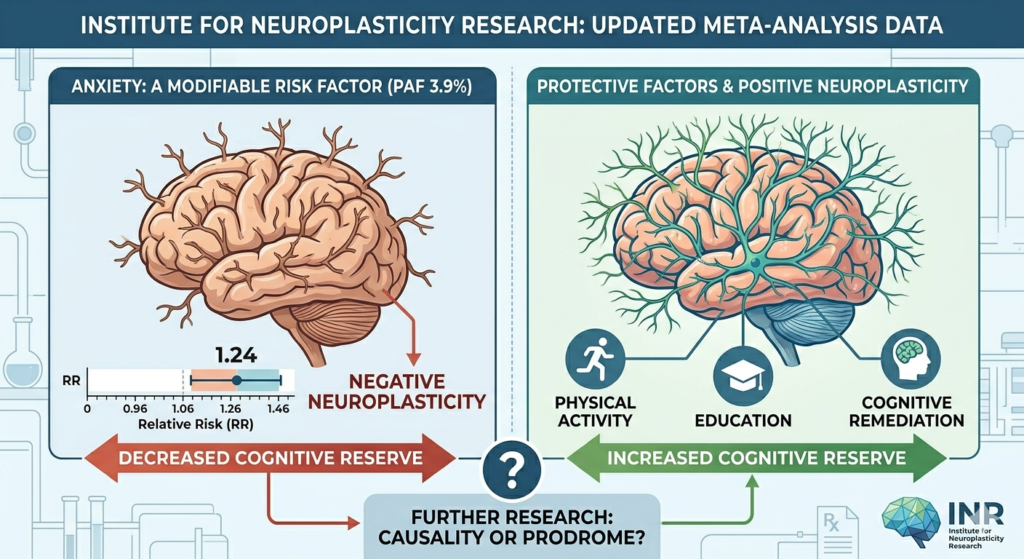
There are reasons that make sense. Ministrokes result from vascular disease and can cause dementia, and cardiovascular risk factors are also risk factors for Alzheimerโ€™s disease. So the improved control of blood pressure and cholesterol levels should have an effect. Better education has also been linked to a lower risk of Alzheimerโ€™s disease, although it is not known why. But the full explanation for the declining rates is anyoneโ€™s guess. And the future of this trend remains a contested unknown.

The exemplar for declining rates is heart disease. Its death rate has been falling for so long โ€” more than half a century โ€” that itโ€™s no longer news. The news now is that the rate of decline seems to have slowed recently, although it is still falling. While heart disease is still the leading cause of death in the United States, killing more than 600,000 people a year, deaths have fallen 70 percent from their peak. The usual suspects: Better treatment, better prevention with drugs like statins and drugs for blood pressure, and less smoking, are, of course, helping drive the trend. But they are not enough, heart researchers say, to account fully for the decades-long decline.

The heart disease effect has been examined by scientist after scientist. Was it a result of better prevention, treatment, lifestyle changes?

All three played a role, researchers said.”