


DSH vs. Biogen Diranersen Phase 2 (Celia study) — Compatibility Assessment Bottom line: The Celia results do not constitute counter-evidence to DSH. They’re compatible with its core claim about therapeutic ceilings, but nothing in the trial tests DSH’s actual falsifiable content (nanoplastic nucleation, glymphatic obstruction, NLRP3/pyroptosis, NP-tangle colocalization). Log this as consistent-with, not confirmatory-of. 1. […]
Archive for the ‘Neuroplasticity’ Category
Do the Biogen Diranersen Phase 2 (Celia study) results provide counter-evidence to my Dual Sequestration Hypothesis?
Posted by Michael A. S. Guth on July 14th, 2026
 Posted in Neuroplasticity, Pharma and Medical Device, Regulatory Medical Writing
  Comments Off on Do the Biogen Diranersen Phase 2 (Celia study) results provide counter-evidence to my Dual Sequestration Hypothesis?
Resistance Training and Neuroplasticity
Posted by Michael A. S. Guth on July 14th, 2026
Recent research (Vints et al., 2024, GeroScience) offers critical insights into the biological underpinnings of how resistance training influences the aging brain. By utilizing a randomized controlled trial design, the study examined 70 older adults (aged 60–85) stratified by MCI risk via MoCA scores, shedding light on the structural and neurochemical shifts induced by a […]
𝐓𝐡𝐞 𝐡𝐢𝐬𝐭𝐨𝐫𝐢𝐜𝐚𝐥 𝐠𝐫𝐚𝐝𝐢𝐞𝐧𝐭 𝐨𝐟 𝐀𝐥𝐳𝐡𝐞𝐢𝐦𝐞𝐫’𝐬 𝐭𝐫𝐢𝐠𝐠𝐞𝐫𝐬
Posted by Michael A. S. Guth on July 13th, 2026
𝐓𝐡𝐞 𝐡𝐢𝐬𝐭𝐨𝐫𝐢𝐜𝐚𝐥 𝐠𝐫𝐚𝐝𝐢𝐞𝐧𝐭 𝐨𝐟 𝐀𝐥𝐳𝐡𝐞𝐢𝐦𝐞𝐫’𝐬 𝐭𝐫𝐢𝐠𝐠𝐞𝐫𝐬 from industrial contaminants to the Plasticene A complete understanding of the Dual Sequestration Hypothesis requires situating the Plasticene trigger within a broader historical timeline of escalating environmental neural incursion. AD was not absent before the modern era—historical cases exist—but its incidence has risen dramatically over the past century in a pattern that cannot […]
Posted in Aging Adults, Neuroplasticity, Regulatory Medical Writing Comments Off on 𝐓𝐡𝐞 𝐡𝐢𝐬𝐭𝐨𝐫𝐢𝐜𝐚𝐥 𝐠𝐫𝐚𝐝𝐢𝐞𝐧𝐭 𝐨𝐟 𝐀𝐥𝐳𝐡𝐞𝐢𝐦𝐞𝐫’𝐬 𝐭𝐫𝐢𝐠𝐠𝐞𝐫𝐬The Minority View of Aβ in Alzheimer’s Disease is gaining ground on the Established View
Posted by Michael A. S. Guth on July 9th, 2026
We propose the DSH as a unifying framework to resolve these converging crises. This clinicopathological update posits that sporadic AD, particularly in its modern manifestation, could be understood as a disease of maladaptive innate immunity. The DSH suggests reframing Aβ and tau pathologies not as intrinsic pathogens but as visible remnants of overwhelmed, evolutionarily conserved […]
Posted in Aging Adults, Neuroplasticity, Pharma and Medical Device, Regulatory Medical Writing Comments Off on The Minority View of Aβ in Alzheimer’s Disease is gaining ground on the Established ViewThe Hidden Gatekeeper: A Serial Killer Inside the Human Brain
Posted by Michael A. S. Guth on June 29th, 2026
The Hidden Gatekeeper Best for an engaging, true-crime-style narrative that builds suspense paragraph by paragraph. For over thirty years, neurologists have been tracking a serial killer inside the human brain. We call its wake Alzheimer’s disease. When scientists look at the brains of those affected, they always find the same gruesome crime scene: millions of vital […]
Posted in Neuroplasticity, Pharma and Medical Device Comments Off on The Hidden Gatekeeper: A Serial Killer Inside the Human BrainThe choroid plexus (ChP): hydrodynamic bottleneck and ground zero for Alzheimer’s
Posted by Michael A. S. Guth on June 29th, 2026
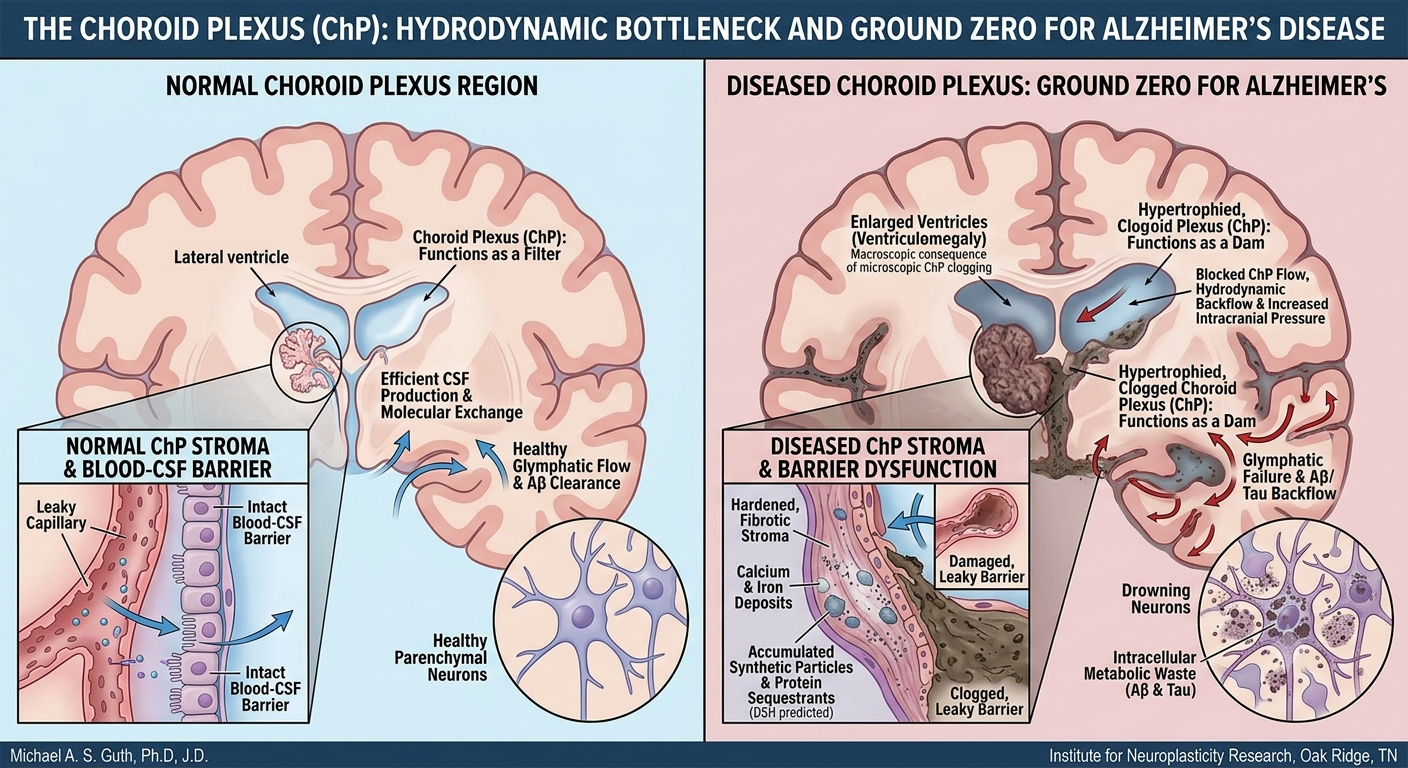
The choroid plexus (ChP): hydrodynamic bottleneck and ground zero for Alzheimer’s disease https://ejournals.uni-muenster.de/fnp/article/view/9368/9664 The Institute has advanced a Dual Sequestration Hypothesis (DSH) related to the protein signatures prevalent in Alzheimer’s disease. If the DSH is correct, the ChP should enlarge and become the sentinel hydrodynamic bottleneck as synthetic particles and their protein sequestrants accumulate. This […]
Posted in Featured, Neuroplasticity, Pharma and Medical Device Comments Off on The choroid plexus (ChP): hydrodynamic bottleneck and ground zero for Alzheimer’s𝗪𝗲 𝗮𝗹𝗿𝗲𝗮𝗱𝘆 𝗸𝗻𝗼𝘄 𝗺𝗶𝗰𝗿𝗼𝗽𝗹𝗮𝘀𝘁𝗶𝗰𝘀 𝗮𝗿𝗲 𝗶𝗻 𝗼𝘂𝗿 𝘄𝗮𝘁𝗲𝗿, 𝗼𝘂𝗿 𝗳𝗼𝗼𝗱, 𝗮𝗻𝗱 𝗼𝘂𝗿 𝗼𝗰𝗲𝗮𝗻𝘀. 𝗕𝘂𝘁 𝘄𝗵𝗮𝘁 𝗵𝗮𝗽𝗽𝗲𝗻𝘀 𝘄𝗵𝗲𝗻 𝘁𝗵𝗲𝘆 𝗿𝗲𝗮𝗰𝗵 𝘁𝗵𝗲 𝗵𝘂𝗺𝗮𝗻 𝗯𝗿𝗮𝗶𝗻?
Posted by Michael A. S. Guth on June 25th, 2026
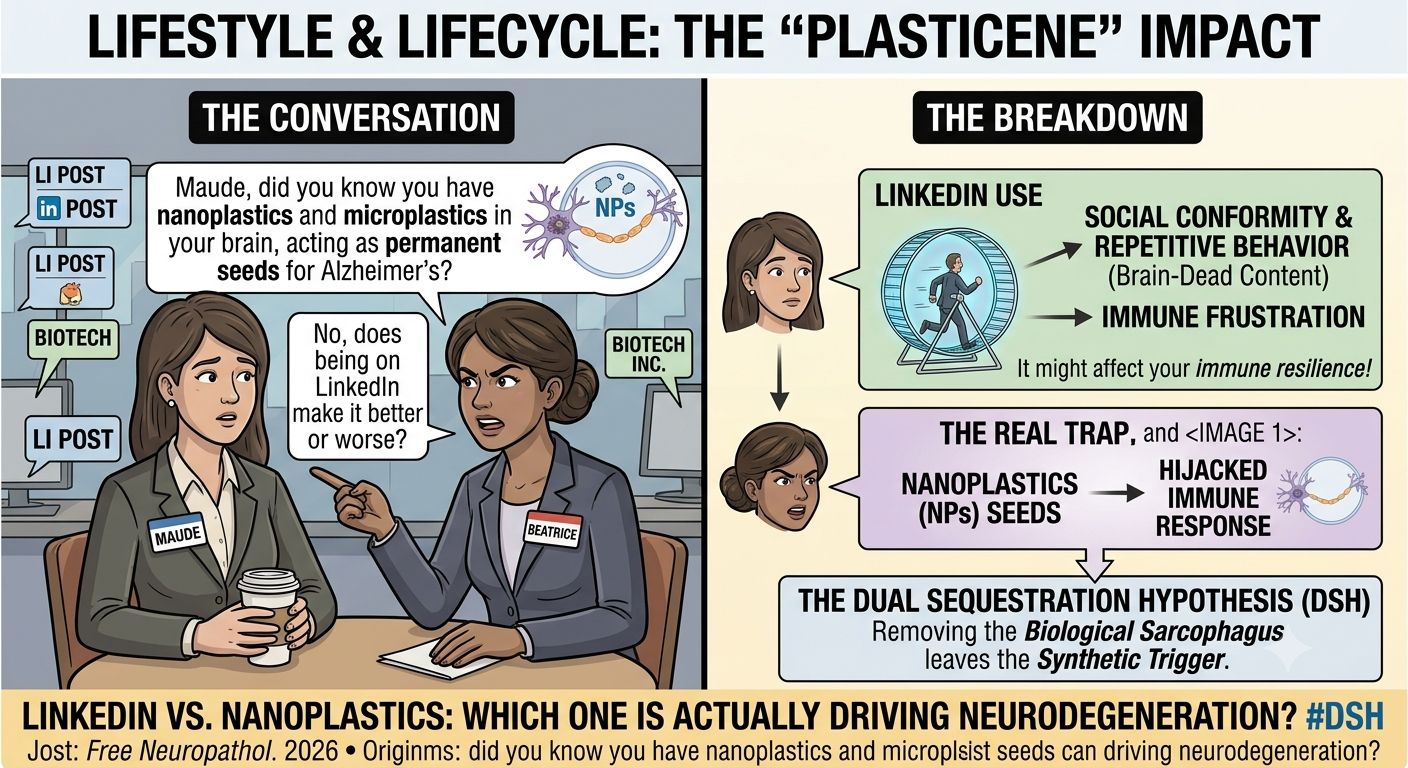
𝗕𝗲𝘀𝘁 𝗳𝗼𝗿: 𝗛𝗶𝗴𝗵 𝗲𝗻𝗴𝗮𝗴𝗲𝗺𝗲𝗻𝘁 𝗮𝗻𝗱 𝘀𝗵𝗮𝗿𝗲𝗮𝗯𝗶𝗹𝗶𝘁𝘆. 𝗜𝘁 𝗰𝗼𝗻𝗻𝗲𝗰𝘁𝘀 𝗮 𝗱𝗲𝗲𝗽𝗹𝘆 𝘁𝗲𝗰𝗵𝗻𝗶𝗰𝗮𝗹 𝗽𝗮𝗽𝗲𝗿 𝘁𝗼 𝗮 𝗺𝗮𝘀𝘀𝗶𝘃𝗲, 𝗿𝗲𝗮𝗹-𝘄𝗼𝗿𝗹𝗱 𝗶𝘀𝘀𝘂𝗲 𝘁𝗵𝗮𝘁 𝗲𝘃𝗲𝗿𝘆 𝗽𝗿𝗼𝗳𝗲𝘀𝘀𝗶𝗼𝗻𝗮𝗹 𝗼𝗻 𝗟𝗶𝗻𝗸𝗲𝗱𝗜𝗻 𝗰𝗮𝗻 𝗿𝗲𝗹𝗮𝘁𝗲 𝘁𝗼: 𝗽𝗹𝗮𝘀𝘁𝗶𝗰 𝗽𝗼𝗹𝗹𝘂𝘁𝗶𝗼𝗻 𝗮𝗻𝗱 𝗵𝘂𝗺𝗮𝗻 𝗵𝗲𝗮𝗹𝘁𝗵. 𝗪𝗲 𝗮𝗿𝗲 𝗹𝗶𝘃𝗶𝗻𝗴 𝗶𝗻 𝘁𝗵𝗲 “𝗣𝗹𝗮𝘀𝘁𝗶𝗰𝗲𝗻𝗲” 𝗲𝗿𝗮—𝗮𝗻𝗱 𝗶𝘁 𝗺𝗶𝗴𝗵𝘁 𝗯𝗲 𝗮𝗹𝘁𝗲𝗿𝗶𝗻𝗴 𝗵𝗼𝘄 𝘄𝗲 𝘁𝗵𝗶𝗻𝗸 𝗮𝗯𝗼𝘂𝘁 𝗯𝗿𝗮𝗶𝗻 𝗵𝗲𝗮𝗹𝘁𝗵. 𝗪𝗲 𝗮𝗹𝗿𝗲𝗮𝗱𝘆 𝗸𝗻𝗼𝘄 𝗺𝗶𝗰𝗿𝗼𝗽𝗹𝗮𝘀𝘁𝗶𝗰𝘀 𝗮𝗿𝗲 𝗶𝗻 𝗼𝘂𝗿 𝘄𝗮𝘁𝗲𝗿, […]
Posted in Neuroplasticity, Pharma and Medical Device, Regulatory Medical Writing Comments Off on 𝗪𝗲 𝗮𝗹𝗿𝗲𝗮𝗱𝘆 𝗸𝗻𝗼𝘄 𝗺𝗶𝗰𝗿𝗼𝗽𝗹𝗮𝘀𝘁𝗶𝗰𝘀 𝗮𝗿𝗲 𝗶𝗻 𝗼𝘂𝗿 𝘄𝗮𝘁𝗲𝗿, 𝗼𝘂𝗿 𝗳𝗼𝗼𝗱, 𝗮𝗻𝗱 𝗼𝘂𝗿 𝗼𝗰𝗲𝗮𝗻𝘀. 𝗕𝘂𝘁 𝘄𝗵𝗮𝘁 𝗵𝗮𝗽𝗽𝗲𝗻𝘀 𝘄𝗵𝗲𝗻 𝘁𝗵𝗲𝘆 𝗿𝗲𝗮𝗰𝗵 𝘁𝗵𝗲 𝗵𝘂𝗺𝗮𝗻 𝗯𝗿𝗮𝗶𝗻?“𝗜𝗻𝘀𝗮𝗻𝗶𝘁𝘆 𝗶𝘀 𝗱𝗼𝗶𝗻𝗴 𝘁𝗵𝗲 𝘀𝗮𝗺𝗲 𝘁𝗵𝗶𝗻𝗴 𝗼𝘃𝗲𝗿 𝗮𝗻𝗱 𝗼𝘃𝗲𝗿 𝗮𝗴𝗮𝗶𝗻 𝗮𝗻𝗱 𝗲𝘅𝗽𝗲𝗰𝘁𝗶𝗻𝗴 𝗱𝗶𝗳𝗳𝗲𝗿𝗲𝗻𝘁 𝗿𝗲𝘀𝘂𝗹𝘁𝘀.” Alzheimer’s disease research!
Posted by Michael A. S. Guth on June 25th, 2026
“𝗜𝗻𝘀𝗮𝗻𝗶𝘁𝘆 𝗶𝘀 𝗱𝗼𝗶𝗻𝗴 𝘁𝗵𝗲 𝘀𝗮𝗺𝗲 𝘁𝗵𝗶𝗻𝗴 𝗼𝘃𝗲𝗿 𝗮𝗻𝗱 𝗼𝘃𝗲𝗿 𝗮𝗴𝗮𝗶𝗻 𝗮𝗻𝗱 𝗲𝘅𝗽𝗲𝗰𝘁𝗶𝗻𝗴 𝗱𝗶𝗳𝗳𝗲𝗿𝗲𝗻𝘁 𝗿𝗲𝘀𝘂𝗹𝘁𝘀.” 𝗙𝗼𝗿 𝗱𝗲𝗰𝗮𝗱𝗲𝘀, 𝘁𝗵𝗲 𝗯𝗶𝗼𝘁𝗲𝗰𝗵 𝗶𝗻𝗱𝘂𝘀𝘁𝗿𝘆 𝗵𝗮𝘀 𝗽𝗼𝘂𝗿𝗲𝗱 𝗯𝗶𝗹𝗹𝗶𝗼𝗻𝘀 𝗶𝗻𝘁𝗼 𝗮 𝘀𝗶𝗻𝗴𝘂𝗹𝗮𝗿 𝗴𝗼𝗮𝗹 𝗳𝗼𝗿 𝗔𝗹𝘇𝗵𝗲𝗶𝗺𝗲𝗿’𝘀 𝗱𝗶𝘀𝗲𝗮𝘀𝗲: 𝗰𝗹𝗲𝗮𝗿𝗶𝗻𝗴 𝗮𝗺𝘆𝗹𝗼𝗶𝗱 𝗽𝗹𝗮𝗾𝘂𝗲𝘀 𝗮𝗻𝗱 𝘁𝗮𝘂 𝘁𝗮𝗻𝗴𝗹𝗲𝘀 𝗳𝗿𝗼𝗺 𝘁𝗵𝗲 𝗯𝗿𝗮𝗶𝗻. 𝗬𝗲𝘁, 𝗰𝗹𝗶𝗻𝗶𝗰𝗮𝗹 𝘁𝗿𝗶𝗮𝗹 𝗮𝗳𝘁𝗲𝗿 𝗰𝗹𝗶𝗻𝗶𝗰𝗮𝗹 𝘁𝗿𝗶𝗮𝗹 𝗵𝗮𝘀 𝗳𝗮𝗰𝗲𝗱 𝗱𝗶𝘀𝗮𝗽𝗽𝗼𝗶𝗻𝘁𝗶𝗻𝗴 𝗳𝗮𝗶𝗹𝘂𝗿𝗲𝘀. 𝗧𝗵𝗲 𝗽𝗹𝗮𝗾𝘂𝗲𝘀 𝗮𝗿𝗲 𝗿𝗲𝗺𝗼𝘃𝗲𝗱, 𝗯𝘂𝘁 𝘁𝗵𝗲 𝗰𝗼𝗴𝗻𝗶𝘁𝗶𝘃𝗲 […]
Posted in Neuroplasticity, Pharma and Medical Device, Regulatory Medical Writing Comments Off on “𝗜𝗻𝘀𝗮𝗻𝗶𝘁𝘆 𝗶𝘀 𝗱𝗼𝗶𝗻𝗴 𝘁𝗵𝗲 𝘀𝗮𝗺𝗲 𝘁𝗵𝗶𝗻𝗴 𝗼𝘃𝗲𝗿 𝗮𝗻𝗱 𝗼𝘃𝗲𝗿 𝗮𝗴𝗮𝗶𝗻 𝗮𝗻𝗱 𝗲𝘅𝗽𝗲𝗰𝘁𝗶𝗻𝗴 𝗱𝗶𝗳𝗳𝗲𝗿𝗲𝗻𝘁 𝗿𝗲𝘀𝘂𝗹𝘁𝘀.” Alzheimer’s disease research!Alzheimer’s Dual Sequestration Hypothesis
Posted by Michael A. S. Guth on June 25th, 2026
𝐍𝐞𝐰 𝐏𝐮𝐛𝐥𝐢𝐜𝐚𝐭𝐢𝐨𝐧 𝐢𝐧 𝐅𝐫𝐞𝐞 𝐍𝐞𝐮𝐫𝐨𝐩𝐚𝐭𝐡𝐨𝐥𝐨𝐠𝐲 (𝐉𝐮𝐧𝐞 𝟐𝟎𝟐𝟔) 𝐈 𝐚𝐦 𝐩𝐥𝐞𝐚𝐬𝐞𝐝 𝐭𝐨 𝐬𝐡𝐚𝐫𝐞 𝐨𝐮𝐫 𝐥𝐚𝐭𝐞𝐬𝐭 𝐜𝐥𝐢𝐧𝐢𝐜𝐨𝐩𝐚𝐭𝐡𝐨𝐥𝐨𝐠𝐢𝐜𝐚𝐥 𝐮𝐩𝐝𝐚𝐭𝐞 𝐚𝐝𝐝𝐫𝐞𝐬𝐬𝐢𝐧𝐠 𝐚 𝐩𝐞𝐫𝐬𝐢𝐬𝐭𝐞𝐧𝐭 𝐩𝐚𝐫𝐚𝐝𝐨𝐱 𝐢𝐧 𝐀𝐥𝐳𝐡𝐞𝐢𝐦𝐞𝐫’𝐬 𝐝𝐢𝐬𝐞𝐚𝐬𝐞: 𝐰𝐡𝐲 𝐭𝐡𝐞𝐫𝐚𝐩𝐢𝐞𝐬 𝐭𝐚𝐫𝐠𝐞𝐭𝐢𝐧𝐠 𝐭𝐡𝐞 𝐫𝐞𝐦𝐨𝐯𝐚𝐥 𝐨𝐟 𝐚𝐦𝐲𝐥𝐨𝐢𝐝-β 𝐩𝐥𝐚𝐪𝐮𝐞𝐬 𝐚𝐧𝐝 𝐭𝐚𝐮 𝐭𝐚𝐧𝐠𝐥𝐞𝐬 𝐜𝐨𝐧𝐬𝐢𝐬𝐭𝐞𝐧𝐭𝐥𝐲 𝐬𝐡𝐨𝐰 𝐚 𝐜𝐫𝐢𝐭𝐢𝐜𝐚𝐥 𝐝𝐢𝐬𝐬𝐨𝐜𝐢𝐚𝐭𝐢𝐨𝐧 𝐟𝐫𝐨𝐦 𝐜𝐨𝐫𝐞 𝐜𝐥𝐢𝐧𝐢𝐜𝐚𝐥 𝐩𝐚𝐭𝐡𝐨𝐠𝐞𝐧𝐞𝐬𝐢𝐬. 𝐈𝐧 “𝐀𝐥𝐳𝐡𝐞𝐢𝐦𝐞𝐫’𝐬 𝐝𝐢𝐬𝐞𝐚𝐬𝐞 𝐢𝐧 𝐭𝐡𝐞 𝐏𝐥𝐚𝐬𝐭𝐢𝐜𝐞𝐧𝐞 𝐞𝐫𝐚: 𝐚 𝐜𝐥𝐢𝐧𝐢𝐜𝐨𝐩𝐚𝐭𝐡𝐨𝐥𝐨𝐠𝐢𝐜𝐚𝐥 𝐮𝐩𝐝𝐚𝐭𝐞 𝐨𝐧 𝐭𝐡𝐞 […]
Posted in About, Neuroplasticity, Pharma and Medical Device, Regulatory Medical Writing Comments Off on Alzheimer’s Dual Sequestration HypothesisDiffuse Lewy Body Dementia in the Great Robin Williams
Posted by Michael A. S. Guth on June 13th, 2026
I have the deepest, most profound respect for Robin Williams. I wish it were more widely known, while he was still living, what a decent, caring, sympathetic person Robin Williams was. I just finished watching the documentary “Robin’s Wish” (available to stream on Plex and Tubi) and learned that the cause of death in the […]